


Dragged Drawings ✍️
Carlo
In Charlotte’s ADST block of kindergarten, students explored push and pull concepts through play, and hands on full-body movement (we just leaned into the fact that kids don’t sit still!).
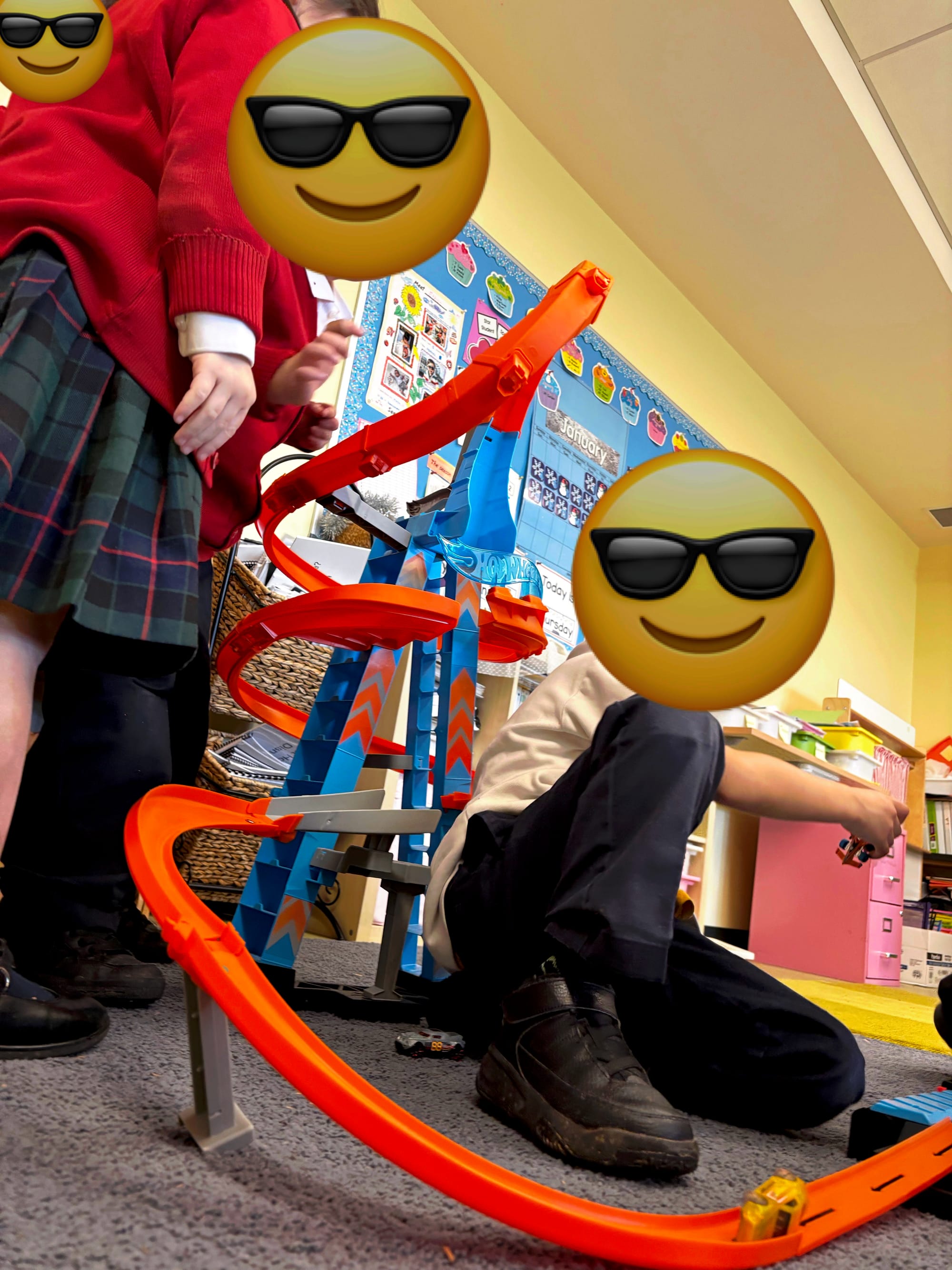
Inside the classroom, Hot Wheels car tracks set the stage for investigating force and motion. Students pushed cars from different heights and angles, watching how speed and direction changed depending on how much force was applied, and how gravity affects the motion of the cars. Some cars zoomed ahead, others stalled out, and a few took unexpected turns showing how momentum shifts.
Students also experimented with force using linking cubes, building simple spinning tops that moved when pushed or flicked by hand. Each spin offered a chance to test what made a spinner whirl longer, wobble, or come to a stop—small pushes leading to big discoveries.
The learning wasn’t limited to the classroom, but was dragged into the hallway. Long sheets of paper were rolled out on the floor, and students held crayons while being gently pushed or pulled by their teachers and assistants. As they moved, the crayons traced long lines across the paper. Changes in speed, direction, and stops showed up immediately in the marks, turning motion into something students could see, track, and talk about. What a drag…that was also fun!
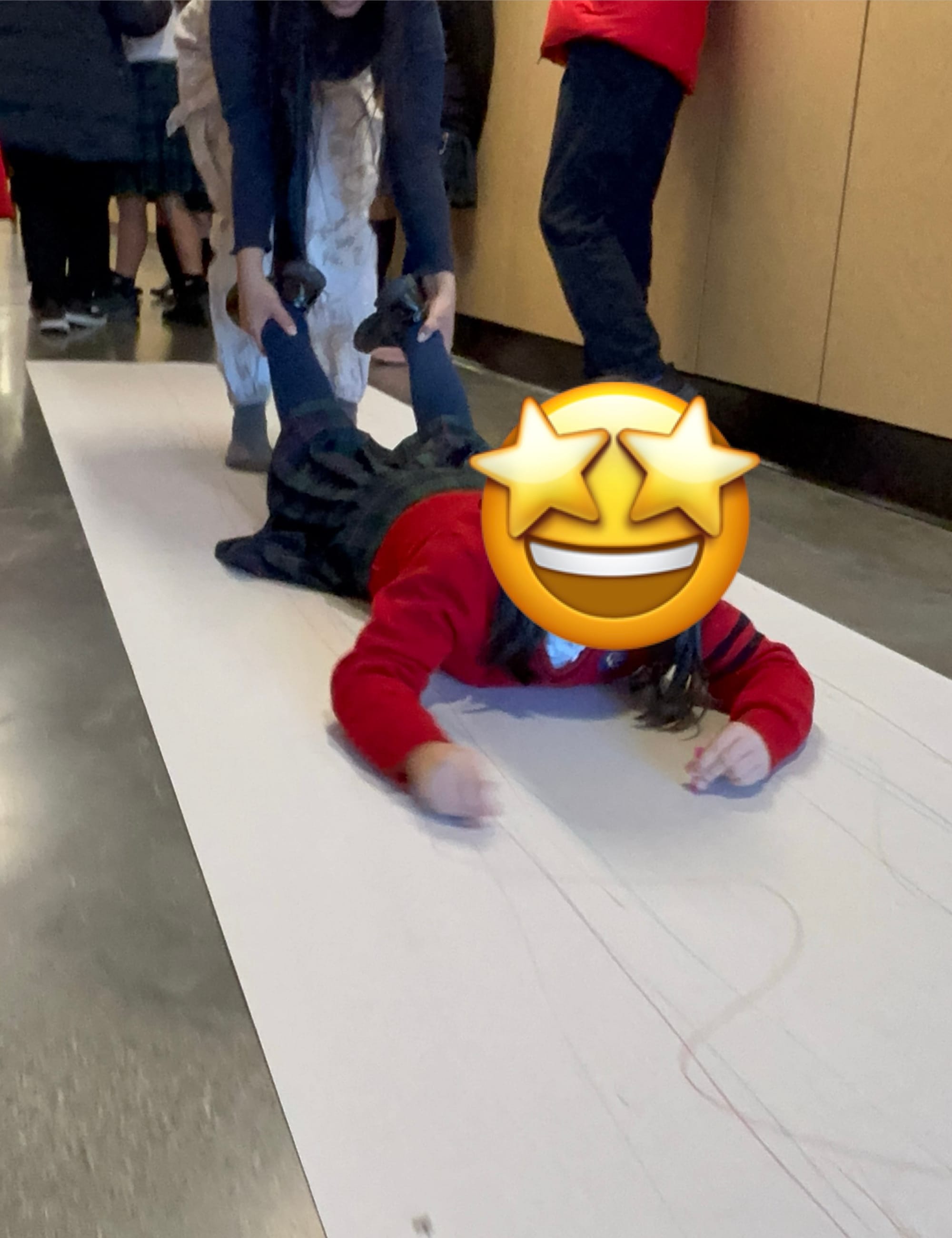
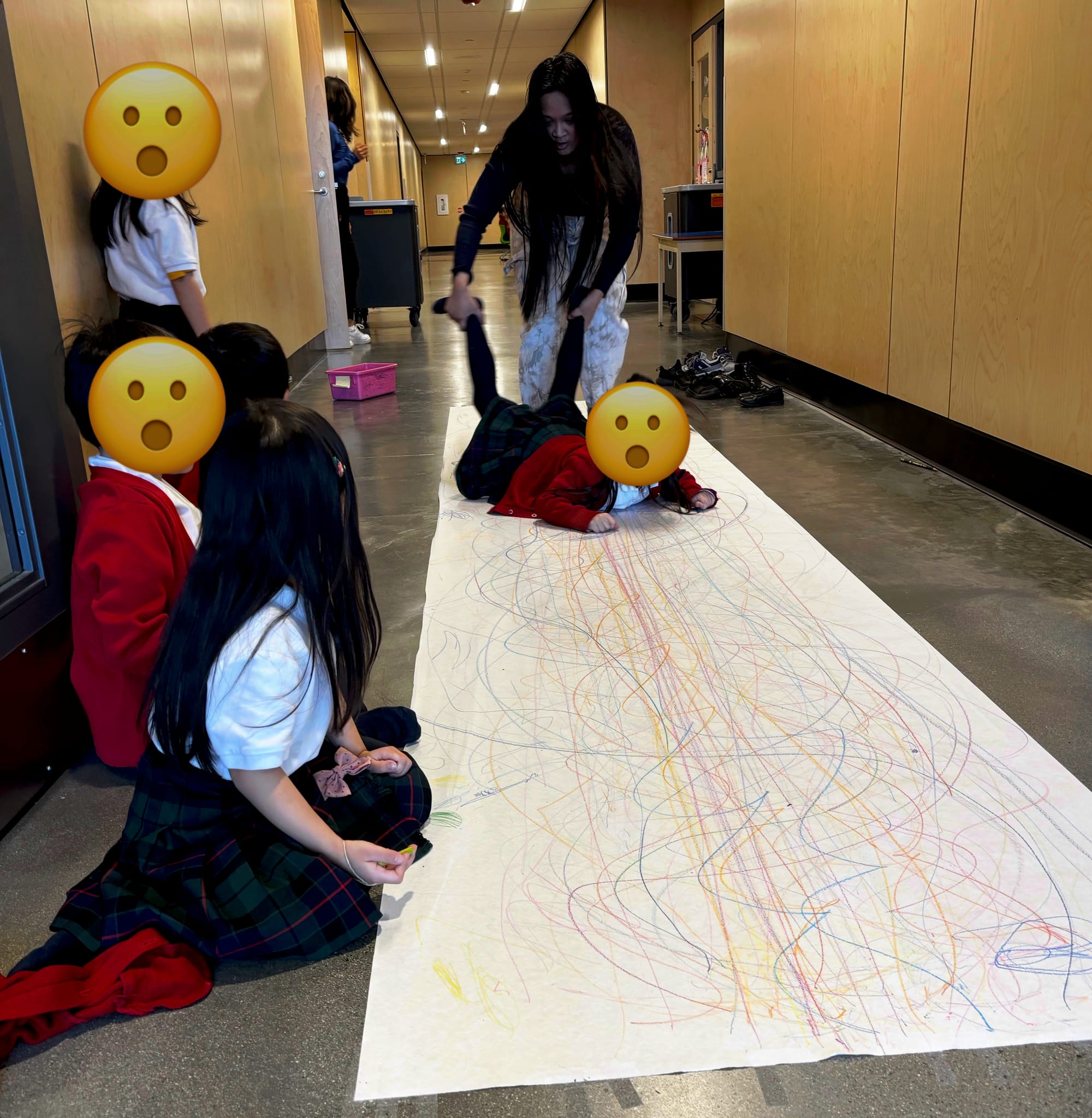
These activities helped students experience push and pull as something they could feel, test, and play with. Charlotte pointed out that forces are all around them, and sometimes the best way to learn is to just go with the flow.
Pushy Robots 🤖
Jen
When a school has access to robotics like Spheros, the assumption is that they can’t be used until the intermediate grades. I don’t agree. There are so many ways to incorporate these fun robots in every grade level, and kindergarten is no different.
Using them to demonstrate the difference between pushing something forward or pulling something backward would be perfect.
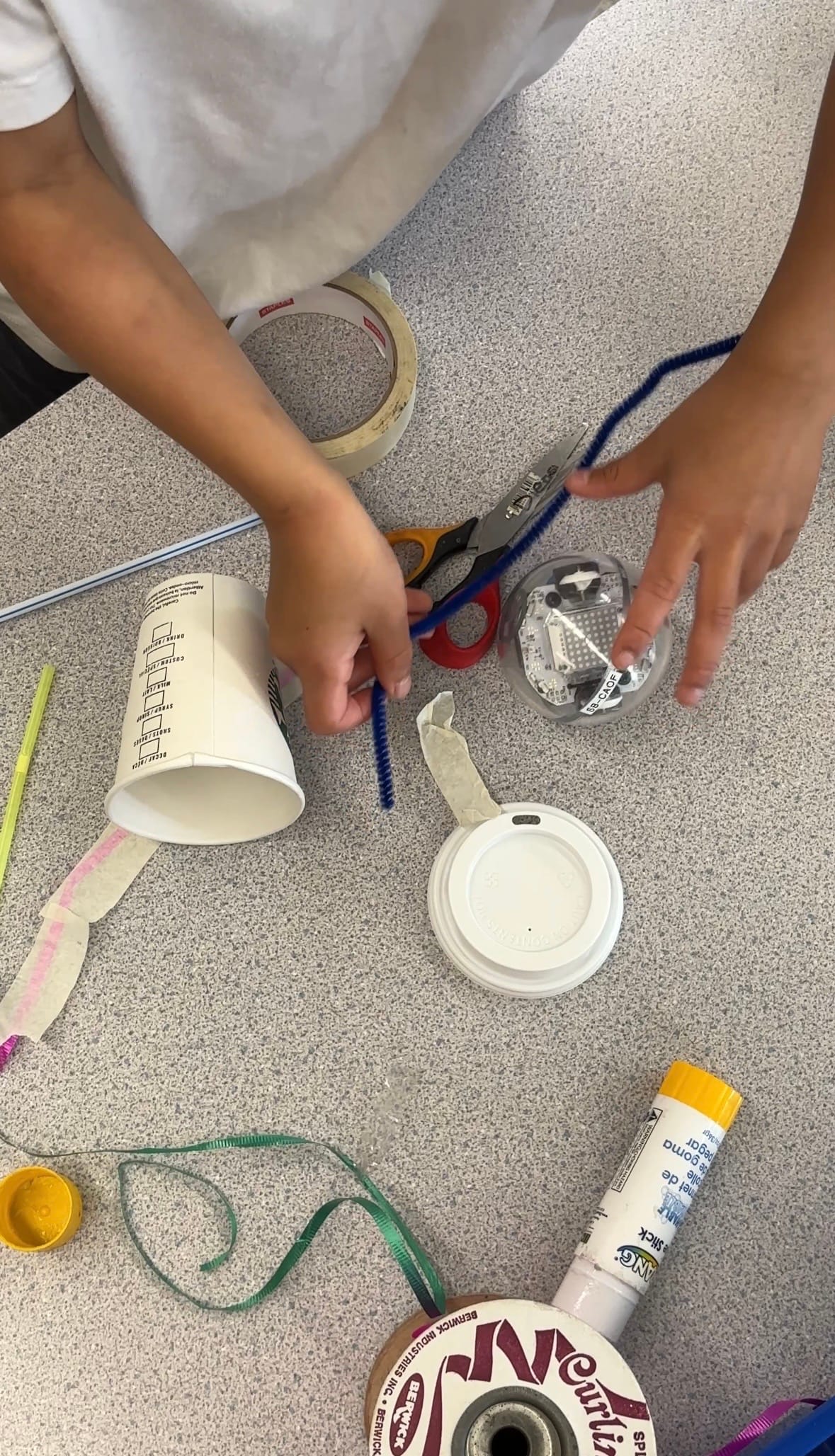
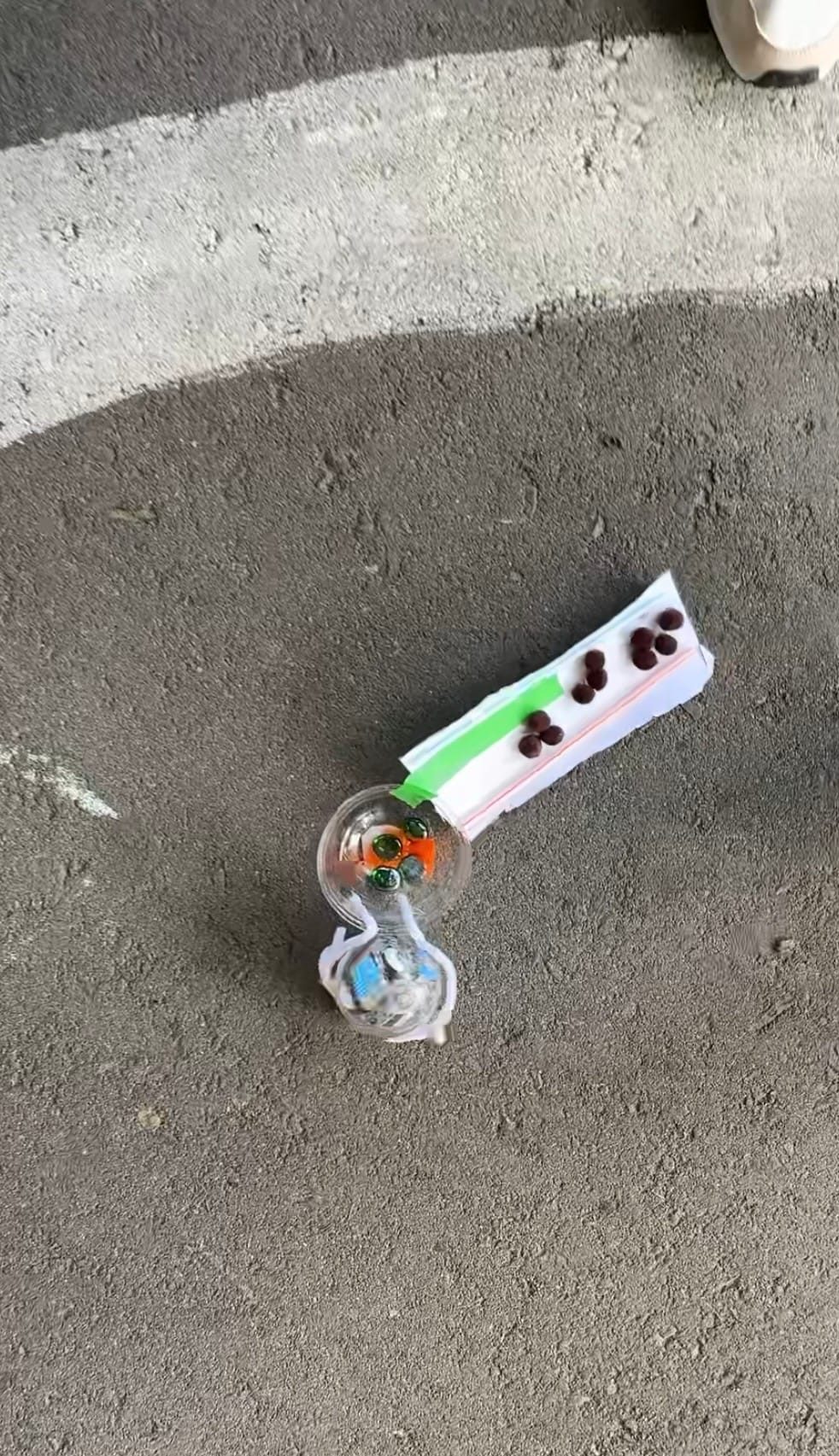
We did exactly this in Lynn’s kindergarten class and it’s one of my favourite projects that I’ve done with students at this age. They were given full access to different crafting supplies to build some sort of a contraption that would encase the Sphero, and either push or pull away loose glass marbles.
Discussing designs.
As we observed, we saw students trying to measure the size of the Sphero to ensure their parts would would fit, talk to their partners about how many pipe cleaners it would take to pull a handful of marbles, and really visualize the difference between whether they were building something that would push the marbles or pull them.
It was truly awesome to watch them explore!
 Jen
Jen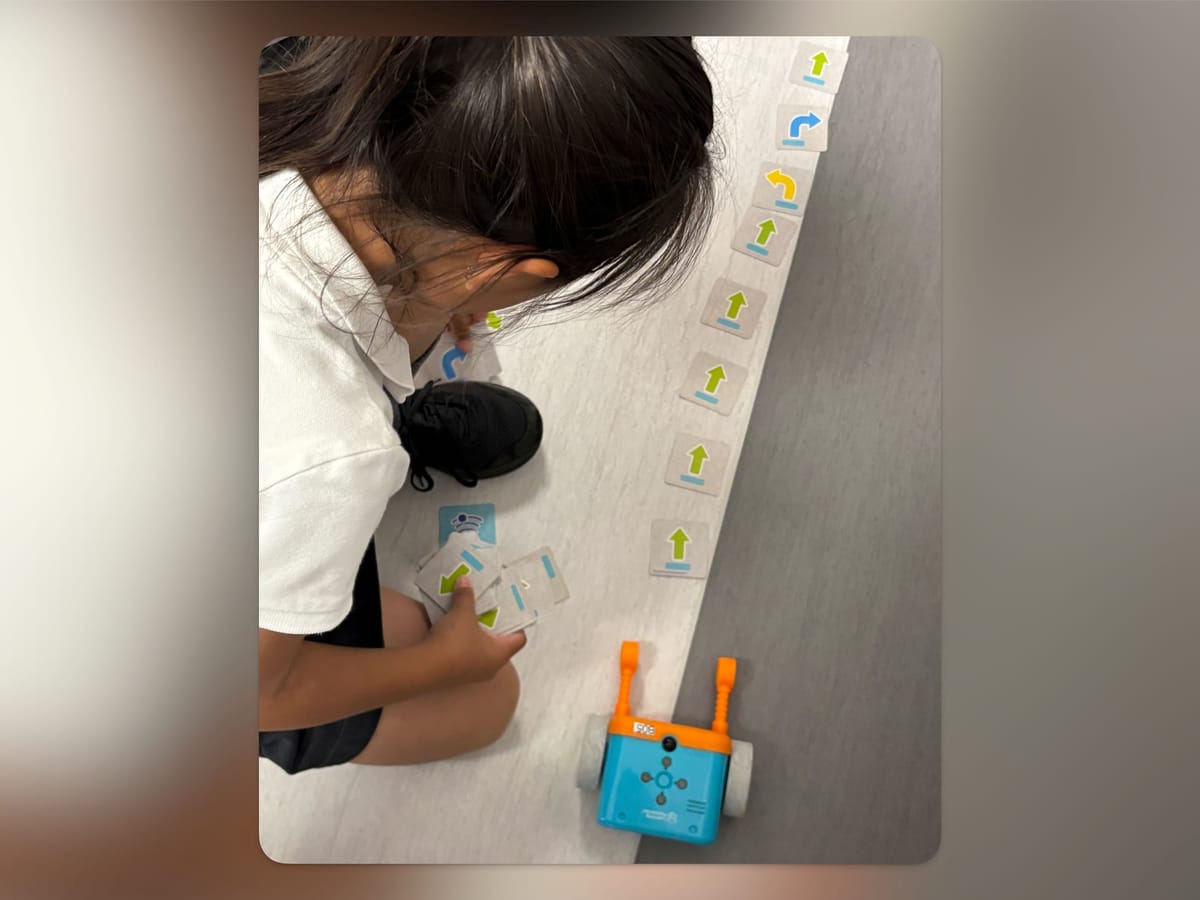
Read more about this project!
Recycled Roller-coasters 🎢
Dylan
Josie is a Kindergarten teacher who consistently surprises me with the scale of what she takes on with her students. We’ve seen roller-coaster design projects in older grades, but this was the first time I’d seen one in Kindergarten. And honestly, why not?
For her class of tiny engineers, it made perfect sense. The room was full of ramps, curves, and hands pushing a ball up an inclined plane, then pausing to watch gravity take over. They were testing motion, noticing cause and effect, and adjusting their designs based on what the ball did next.
Josie also shared how she’s able to assess Science, Career Ed and ADST competencies in this one project:
- Science - Observing objects in familiar context , Questioning and Applying Ideas.
- Career Ed - Work respectfully and constructively with others to achieve common goals.
- ADST - Use trial and error to make changes, solve problems, or incorporate new ideas from self or others.
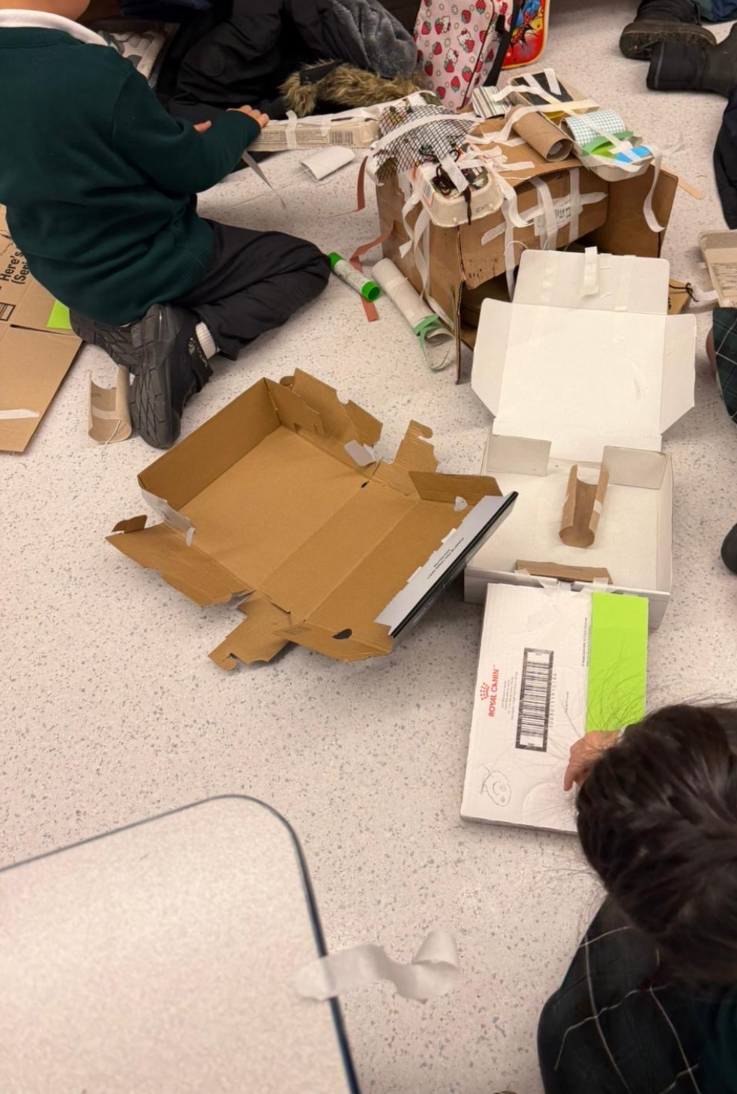
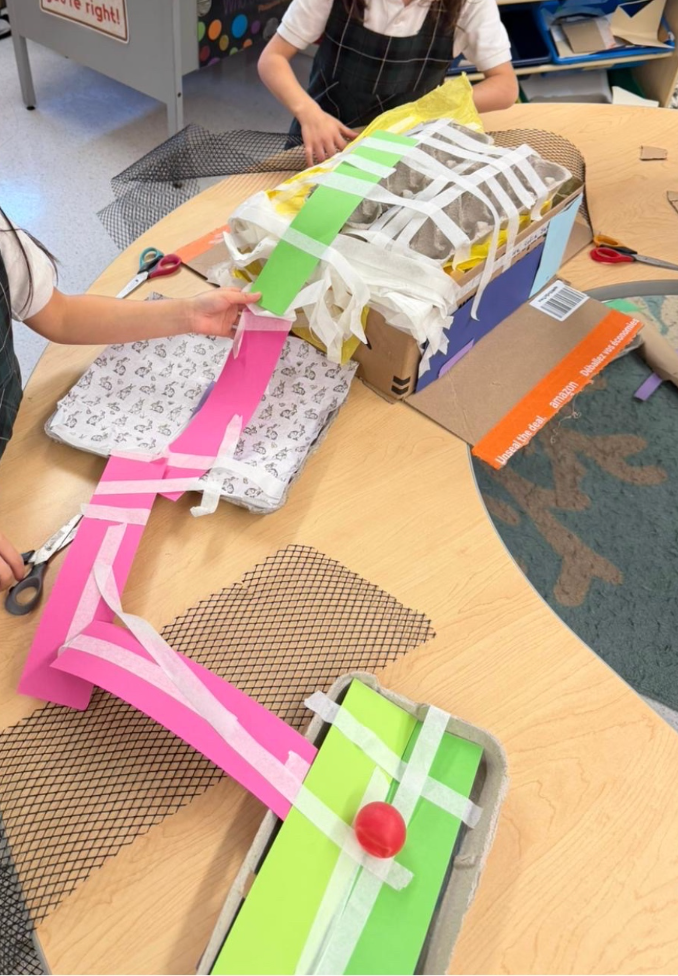
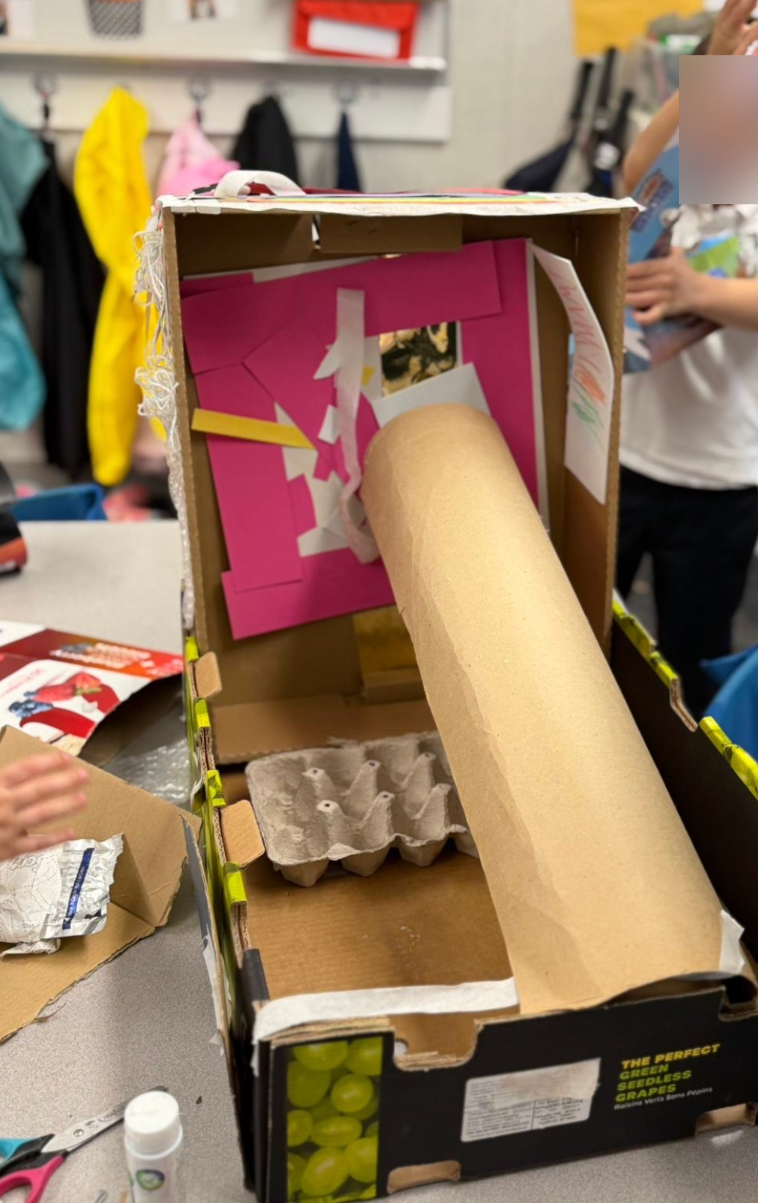
Making in progress!
This was a clear example of how the design process can be scaffolded in Kindergarten—where trying, failing, and reflecting are treated as part of the work. When students grow up knowing that missteps are part of the process, they build real resilience as learners.
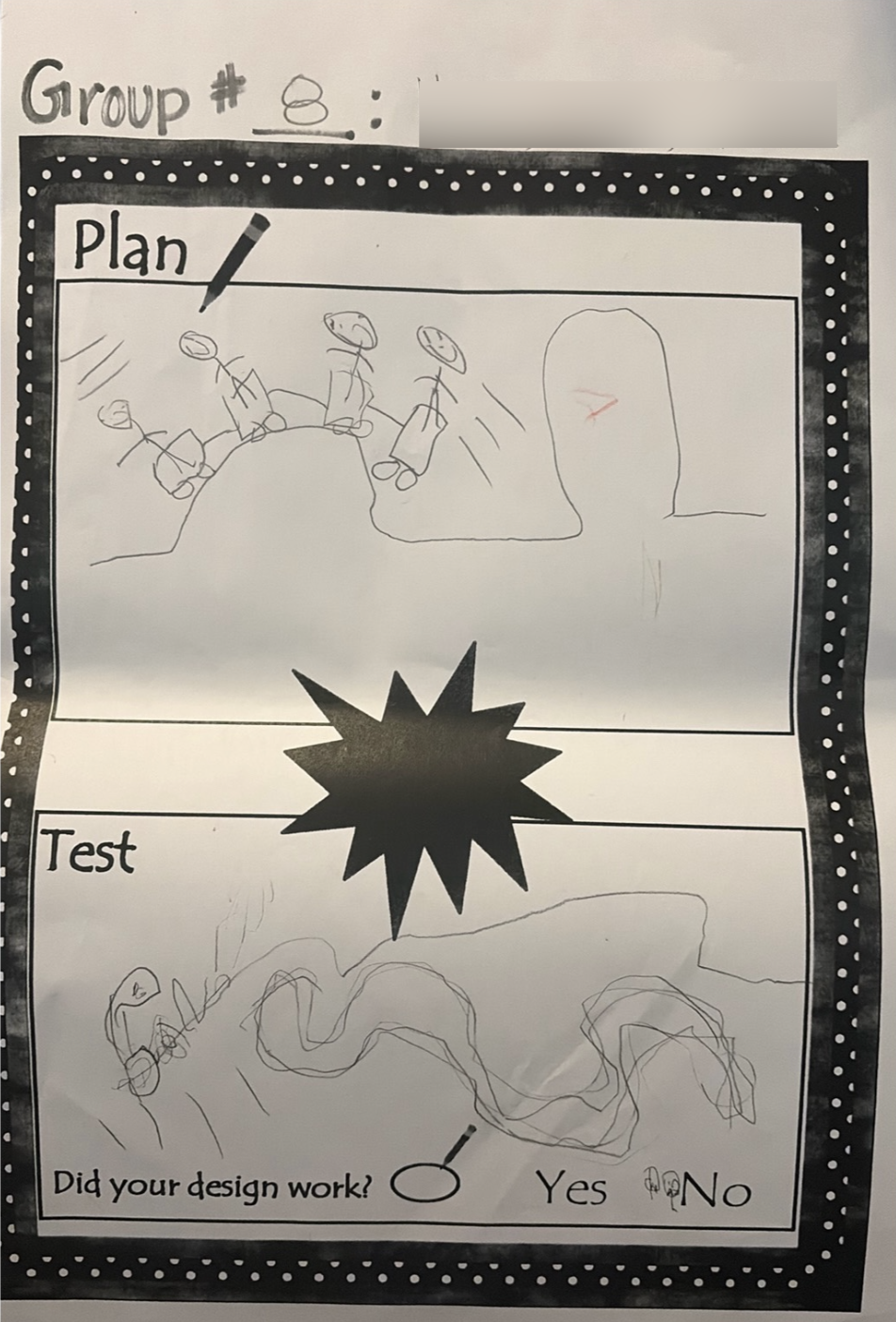
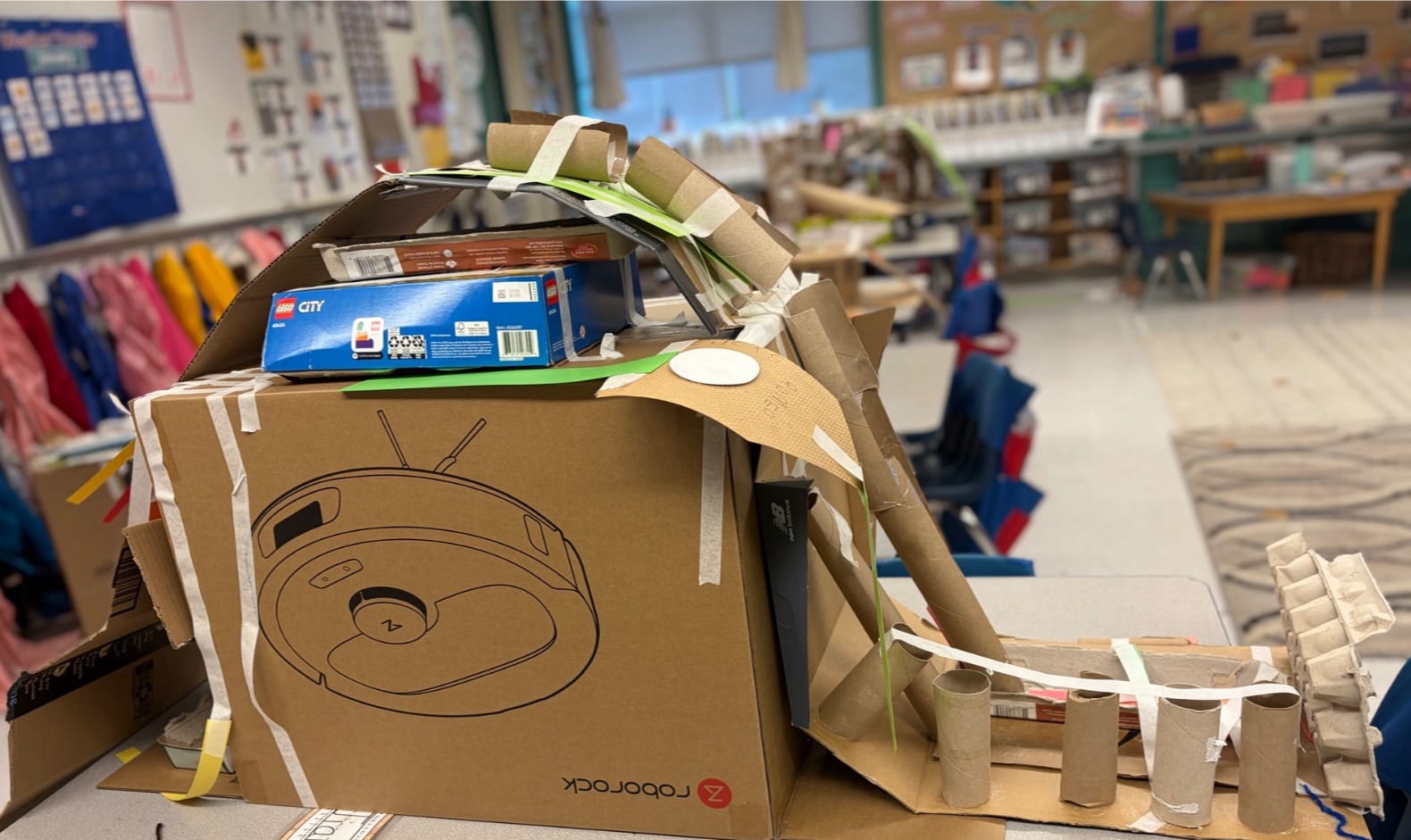
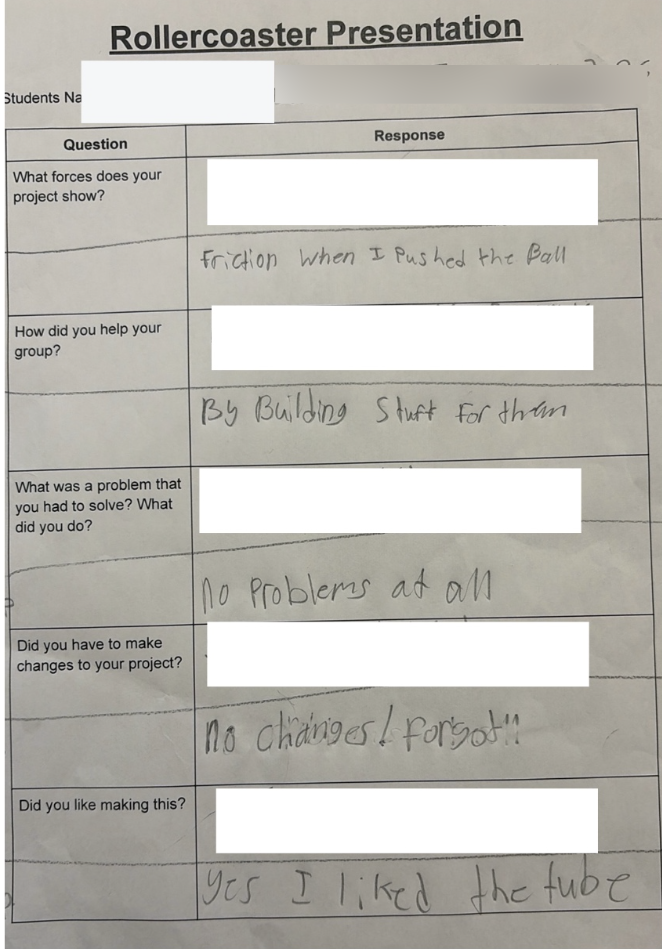
Planning, Building and Reflecting on the process.
Push or Pull!?
Turns out those forces of motion matter, especially when you’re not sure whether to push or pull the door.