


For the past year, we’ve been on a journey, visiting schools across BC to find out what innovative learning looks like — and PSII has come up more than once. So when Janet, the program director at Imagine High, told us “you need to meet Jeff”, we finally paid attention. Coming from someone leading the program that inspired us to start this journey, her recommendation carries real weight.
As luck would have it, the Monday we flew out was one of the few sunny days that week. The floatplane ride over was stunning, and stepping off into the Victoria harbour felt like a pretty great way to start a school visit.
First Impressions
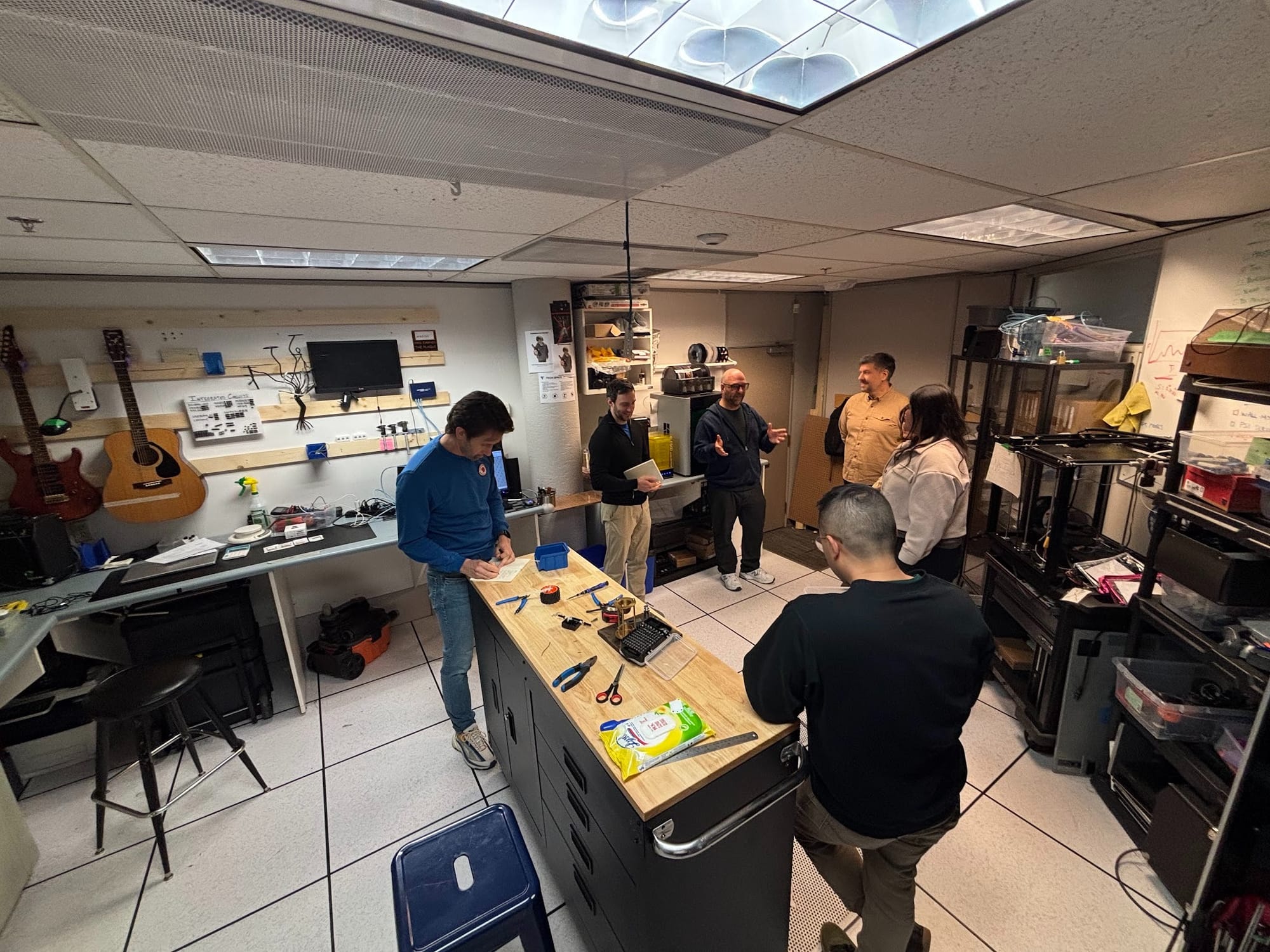
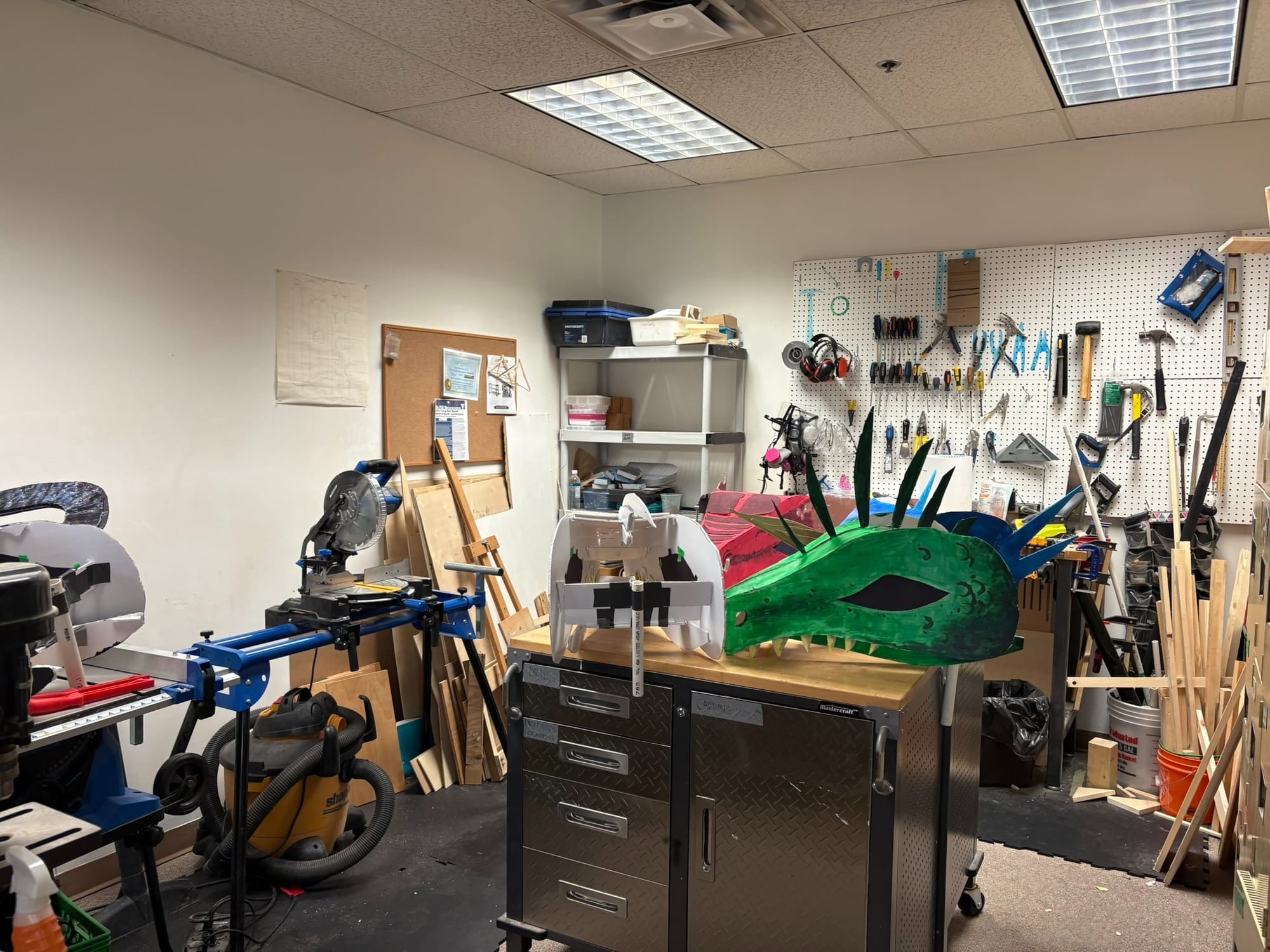
Walking into Pacific School of Innovation and Inquiry (PSII) feels noticeably different from walking into most high schools. There are rooms, of course—but they don’t feel like classrooms. There isn’t a sense that each space belongs to a particular subject or that a teacher “owns” the room. Instead, the environment feels more like a studio or collaborative workspace. Learners (more on that below) move through the building working on different things, often at different paces, sometimes independently and sometimes in small groups.
The atmosphere is calm, focused, and surprisingly relaxed. There’s none of the usual classroom choreography of bells, transitions, and synchronized instruction. Instead, the school seems to run on a quieter rhythm, one driven largely by the learners themselves.
Throughout the day we had a chance to walk through the space, observe learners working, and talk with a few teachers. But the bulk of the visit unfolded through long conversations with Jeff and Jessica, who generously shared the story of the school—how it began, how it evolved, and how the model works today.
Core Philosophy
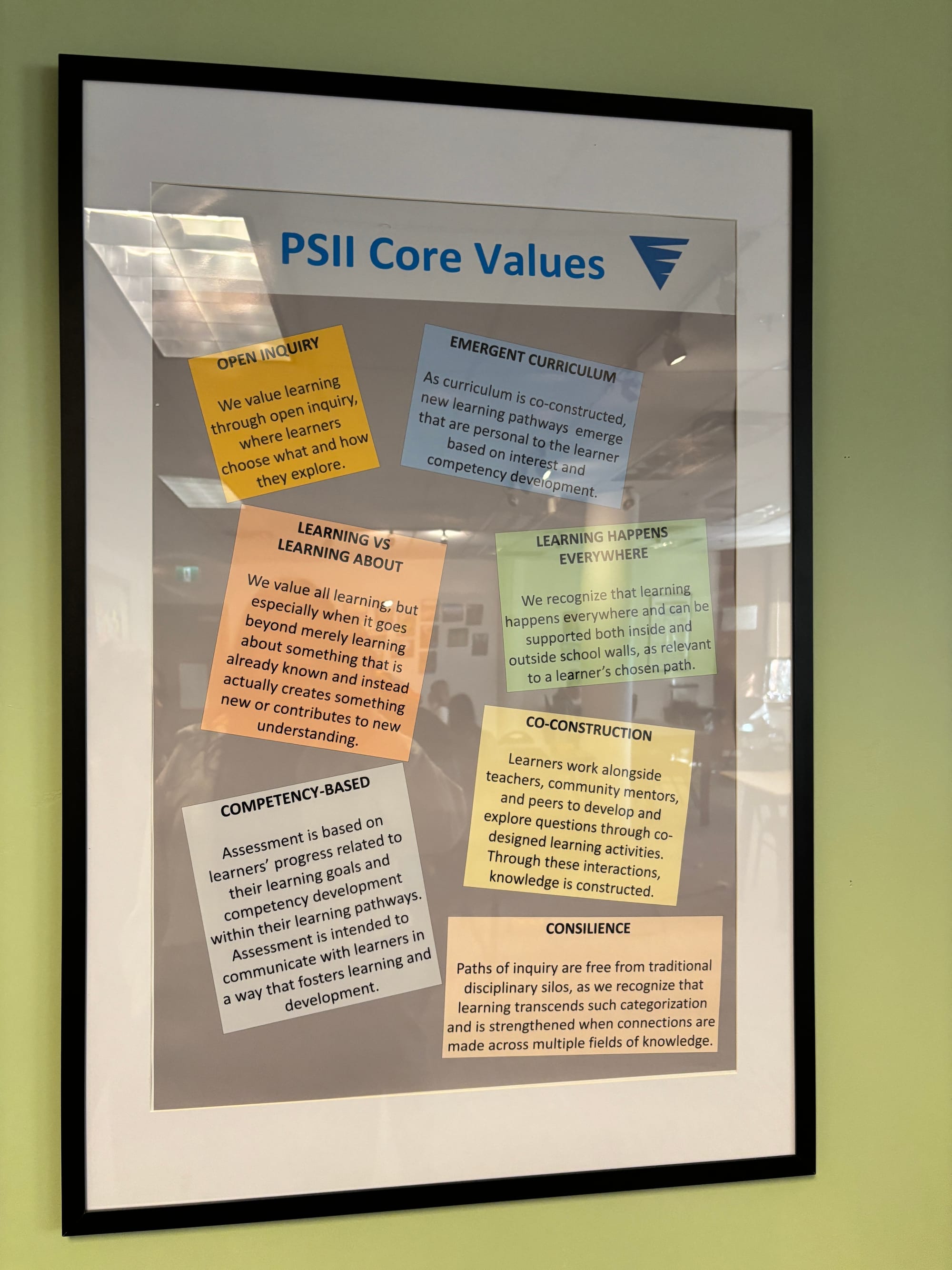
At the heart of PSII is a commitment to learner-driven inquiry.
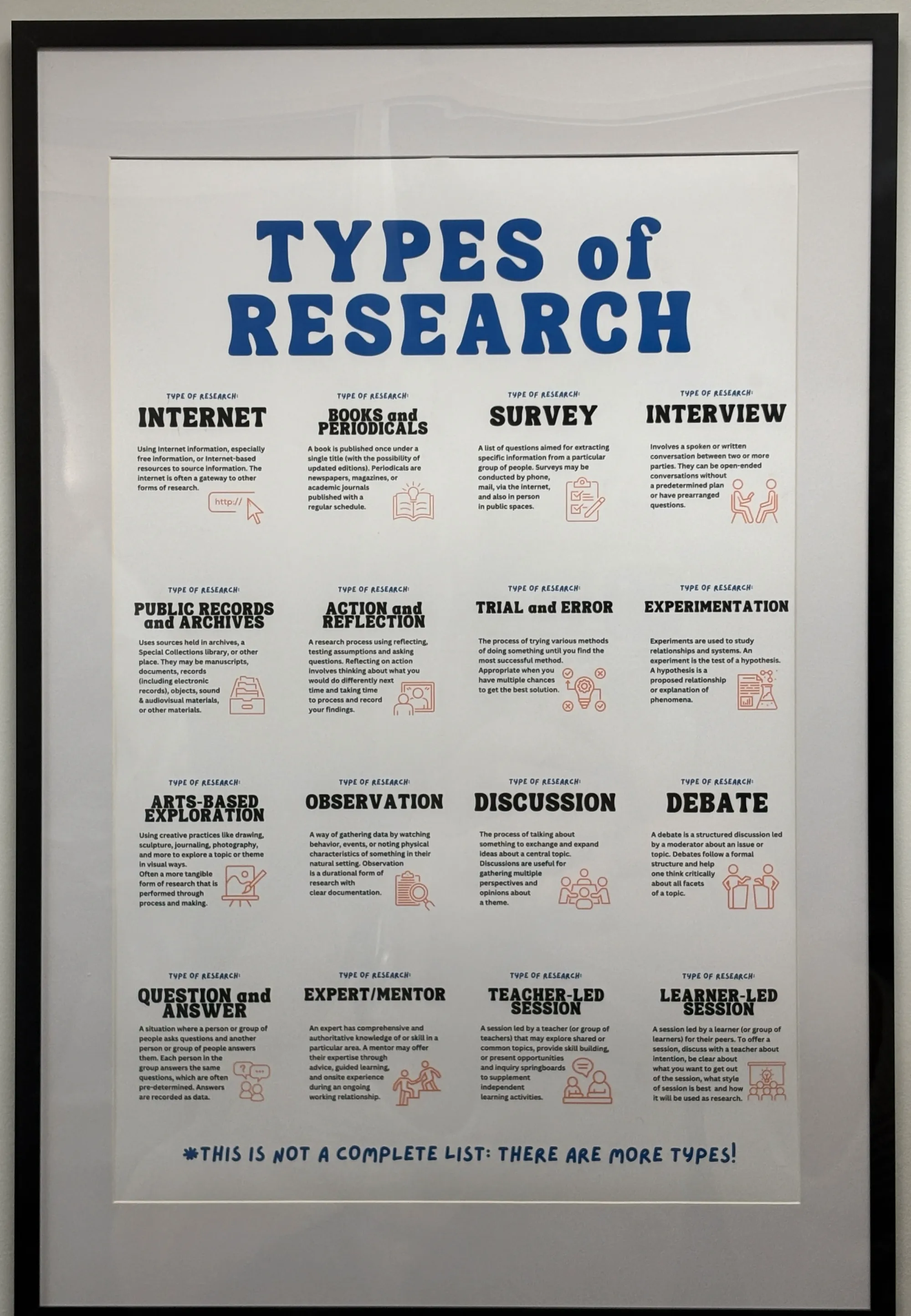
Rather than organizing school around subjects and classes, the school organizes learning around questions. Learners discover and pursue inquiries—personal curiosities with near-infinite growth and learning.
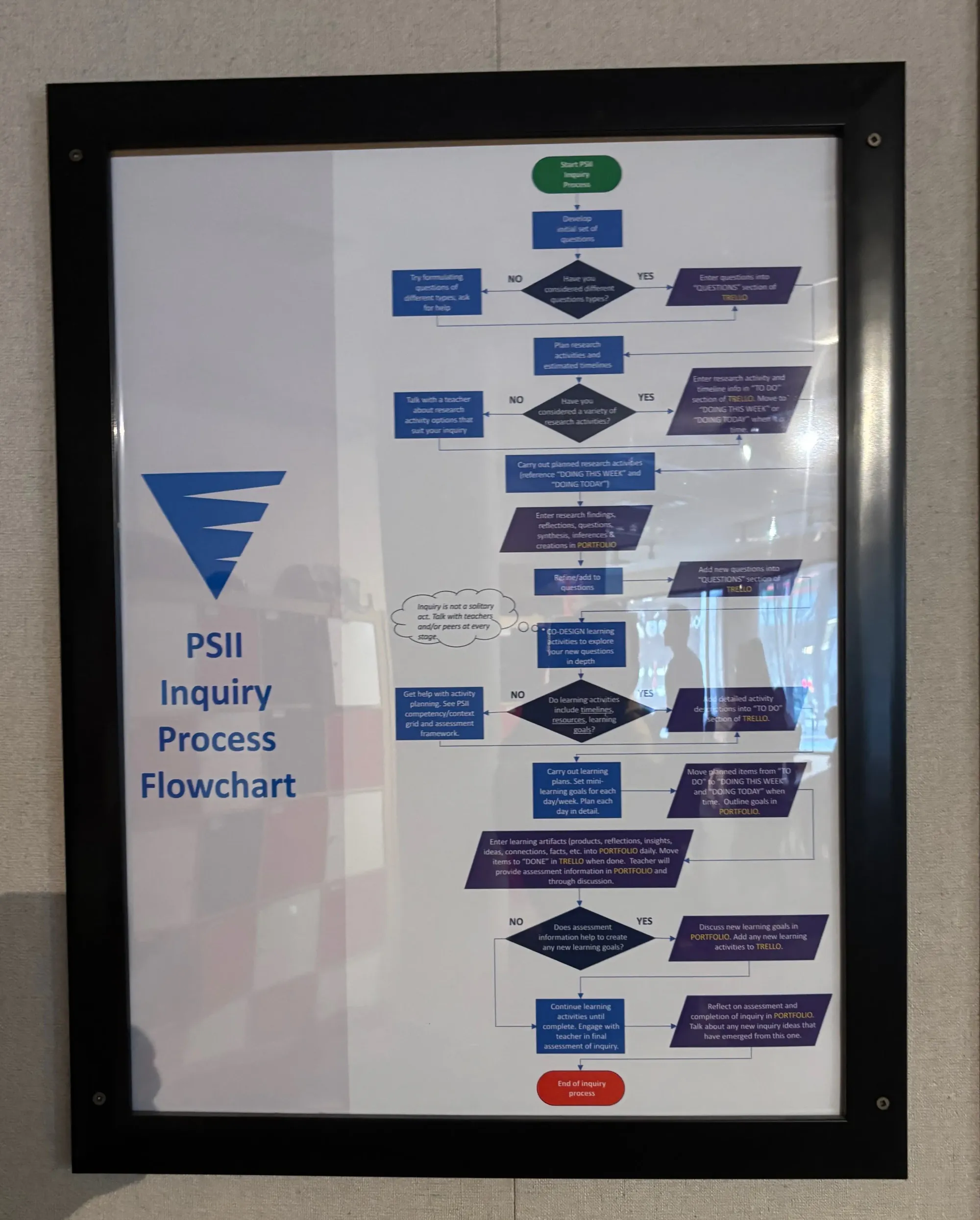
Jeff had been developing this inquiry-based framework for years before the school opened. When PSII launched, the model was already largely formed: learning begins with questions, moves into research and exploration, which reveals deeper questions. That cycle repeats over and over again, with learning artifacts (more on that below) being the breadcrumbs along the way.
The process is structured enough to provide direction but open enough to allow learners to pursue ideas that genuinely interest them.
Teachers play a key role in guiding this process, but they don’t dictate it. Instead, they help learners refine questions, locate resources, design activities, and reflect on what they’re learning along the way.
“Learners” Instead of “Students”
One small but telling detail is the language the school uses.
At PSII, the word learners is used to describe the teenagers there to learn.
The change in vocabulary may seem subtle, but it reflects an important shift in mindset. The word “student” originates from the word “study”. Compare that to the word “learner”, which originates from the word “learn”. Ask yourself, what do we want the adults and teenagers to prioritize in schools, studying or learning? We think PSII is onto something here.
This distinction becomes visible in everyday interactions throughout the school. Conversations tend to revolve around questions like:
- What are you learning?
- What are you curious about next?
- What do you need to move this forward?
The learner is assumed to be the driver of the process.
The Role of Teachers
While PSII still uses the word teachers (somewhat reluctantly, mind you), Teaching at PSII looks very different from teaching in a conventional classroom. The role shifts from delivering content to supporting learning journeys.
Teachers spend much of their time helping learners clarify goals, plan inquiries, locate resources, and reflect on progress. They mentor, ask questions, and introduce new ideas or tools when they sense the timing is right. For teachers transitioning into this model, the shift can be surprisingly difficult.
In conventional classrooms, success is easy to measure. Students are either completing assignments or not, understanding material or not. There are constant signals—tests, participation, grades—that indicate how things are going.
In an inquiry-based environment, those signals are less obvious. Every learner is doing something different, often at different stages of progress. Teachers have to develop a new kind of sensitivity to learning: noticing growth, engagement, and depth of thinking rather than simply tracking completion of tasks.
For some educators this uncertainty can be unsettling. For others, it’s exactly what makes the work exciting.
Organizational Groups
One of the structures that makes the system work is something called organizational groups. Each teacher mentors a group of roughly 13–15 learners. The group functions as a kind of home base within the school.
Every morning begins with an org group meeting. Learners gather with their org teacher to plan the day ahead: what inquiries they’ll work on, which sessions they might attend, and what support they might need.
Over time, the org teacher becomes something like a combination of advisor, coach, and guide. They help learners track progress and set goals. They also make sure the larger pieces of each learner’s education stay on course by collecting evidence of curriculum completion and leading the assessment needed for reporting.
As the school grew, this structure became essential. Without it, the complexity of tracking many individual inquiries quickly became overwhelming.
Assessment and Learning Artifacts
One of the most fascinating parts of PSII’s model is how they approach assessment.
Instead of tests, assignments, and grades, the school centers assessment around something they call learning artifacts. An artifact can be almost anything that demonstrates learning: a conversation, an observation, a deeper inquiry, a written reflection, or a project.
Jeff showed us the digital system they built to manage this. When a learner begins something new, they start by creating an inquiry in the system. It’s simple: a title, a brief description, and the teachers who might support the work. Once the inquiry is active, learners begin adding artifacts as their learning unfolds.
Sometimes those artifacts are obvious—a piece of writing, a design, or a research summary. Other times they’re more subtle: a conversation with a teacher that led to an important realization, or a reflection on an article that shifted someone’s thinking. In those cases, the artifact might simply be a short written note capturing the moment.
Over time, these artifacts accumulate into a living record of learning.
Competencies Instead of Subjects
Instead of evaluating learners through subject areas like math, science, or English, PSII organizes assessment around a set of competencies.
These competencies represent the core abilities the school supports learners to develop. When an artifact is assessed, the teacher and learner together identify which competency it demonstrates and reflect on the depth of learning involved. This approach allows learning to remain interdisciplinary.
A single inquiry might involve reading, writing, mathematical thinking, and critical and creative thinking all at once. Rather than forcing the work into one subject category, the competency model allows teachers to recognize learning wherever it appears.
In practice, the process is surprisingly straightforward. Once a learning artifact is recorded, the learner—or sometimes the teacher—requests an assessment. The system prompts them to identify the relevant competency and the type of assessment being done: formative, summative, or diagnostic. From there, the teacher provides feedback and reflection.
The goal isn’t to rank learners or assign a grade. Instead, the assessment becomes a conversation about how the learner is developing.
The Invisible Curriculum
At first glance, PSII appears to have no curriculum at all. Learners pursue inquiries based on their interests, move at their own pace, and explore topics that might not resemble traditional school subjects. But behind the scenes, there is still a careful and robust mapping to provincial requirements.
Teachers regularly meet to review learning that comes from inquiry, connecting them to curriculum expectations. Through this process, they ensure that each learner is gradually covering the necessary ground for graduation.
In other words, the BC Curriculum hasn’t disappeared—it’s simply been moved into the background.
Instead of dictating what learners must study each day, it functions more like a compass, quietly guiding the direction of learning while still allowing learners to choose their path.
Classes That Emerge From Curiosity
Although PSII isn’t organized around traditional classes, that doesn’t mean group learning never happens. In fact, some of the most interesting moments arise when a learner’s curiosity sparks a shared exploration.
Jeff gave an example from a recent session he facilitated. One learner had received a psychological assessment and discovered they had weak executive functioning skills. Curious about what that meant, they started an inquiry to learn more.
That inquiry led straight to Jeff, who’s not only the co-principal and founder of the school, but is also pursuing a PhD in Neuroscience, studying brain activity associated with different approaches to teaching and learning. Jeff hosted a conversation about how it works in the brain, why it develops slowly, and what strategies help strengthen it. To everyone’s surprise, about twenty-five learners showed up.
What began as a single learner’s inquiry quickly grew into a small learning series, with several sessions exploring topics like working memory, planning, and the development of the prefrontal cortex.
For some learners, the topic eventually became their own inquiry. Learning spreads organically like this at PSII. Curiosity has a way of attracting company.
Real-World Learning
One of the most refreshing aspects of PSII is how porous the boundary between school and the outside world is. Learners are not expected to do everything inside the building. In fact, they’re often encouraged to leave when their inquiries require it.
If a project leads them to someone in the community—a scientist, artist, engineer, or craftsperson—they can reach out and arrange a visit. When the time comes, they leave the school and go.
One of the teachers shared an example of a learner who needed welding for a project. The school didn’t have welding equipment, and rather than trying to recreate a shop inside the building, the response was simple: go find a welder. The learner and their org teacher located someone in the community who was willing to help, arranged a visit, and went to learn directly from them.
This kind of thing happens regularly. Rather than attempting to replicate every possible learning environment inside the school, PSII treats the entire community as part of the learning landscape. In that sense, the city becomes an extension of the classroom.
Universities are another example. If a learner believes they might want to pursue a particular field—chemistry, neuroscience, environmental law—the school will often help them sit in on an actual university lecture. Jeff described how they frequently email professors and ask if a learner can attend a class. The answer is always yes.
Sometimes the experience confirms a learner’s interest. Other times it reveals that the subject they imagined loving isn’t actually for them. Either way, the insight is valuable.Learning at PSII isn’t about simulating the real world—it’s about interacting with it directly.
A Different Relationship to University
One of the most surprising things Jeff shared was how PSII graduates often experience university. Many do go on to post-secondary education, but their adjustment can be unusual. Rather than struggling academically, many graduates find the early years of university boring.
After spending high school designing inquiries, conducting research, and pursuing complex ideas, sitting in lecture halls memorizing information can feel like a step backwards.🥱
Ironically, things tend to improve again when they reach graduate school. At that stage—when research, independent thinking, and self-directed projects become central again—the experience begins to resemble the learning environment they had in high school. As Jeff joked, PSII learners sometimes feel like they’ve already been doing “little master’s degrees” in high school.
The Kind of Learners PSII Attracts
Many learners arrive at PSII because something about traditional schooling wasn’t working for them. Often they are curious, bright, and capable learners who simply felt constrained by conventional classroom structures.
Others struggled with anxiety, depression, or sensory challenges that made traditional school environments overwhelming. PSII provides a space where these learners can move through the space with fewer distractions and rediscover their relationship with learning. Without the pressure of rigid schedules and constant evaluation, many begin to engage with ideas in ways they hadn’t before.
Building the School
Listening to Jeff describe the early years of the school made it clear that the model didn’t emerge fully formed.
The first few years involved constant experimentation—building systems, adjusting structures, and refining processes. One of the biggest challenges was simply creating the infrastructure needed to support learner-driven education.
Systems had to be invented for:
- tracking learning
- assessing competencies
- mentoring learners
- mapping curriculum requirements
- communicating with parents
None of these structures existed when the school started. They were built gradually, often through trial and error.
A Lasting Impression
One of the strongest impressions from the visit was simply how generous Jeff and Jessica were with their time and openness. They shared not just the successes of the school but also the challenges and uncertainties that come with building something new.
PSII is clearly the result of years of careful thought, experimentation, and dedication. Walking through the school and hearing its story felt less like touring a finished model and more like stepping into an ongoing exploration of what innovative learning looks like and what schools might become.
Inspired by the model of inquiry, we left with more questions than we arrived with. Why don’t more schools like PSII exist? Can existing schools transform, or must new schools be created? And what stops parents and teachers who believe in all this from simply…starting one? We can’t wait to learn more.