

We talk a lot about analysis, brainstorming, and connecting ideas in our classroom projects—but naming the action isn’t the same as supporting students to do it well. These skills show up everywhere in the BC curriculum, and if students could just leap into it without structure, our jobs would need to be redefined. They need routines that slow the work down, make thinking visible, and give them an entry point.
Here are some of our favourite structures for guiding different kinds of learning and helping students move past the “just try it” stage into something more intentional and meaningful.
Idea Generation 🧠
Carousel Brainstorm
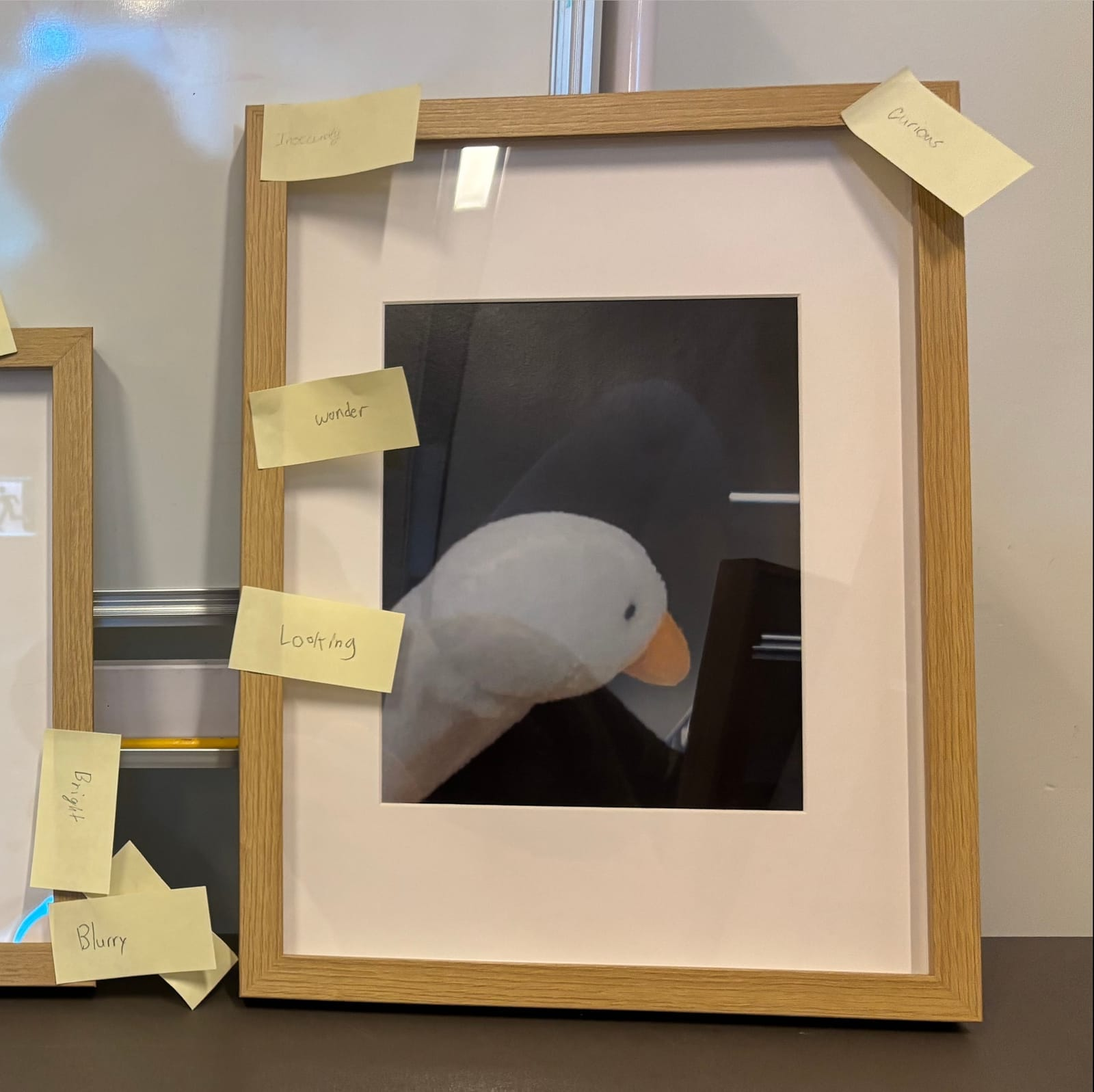
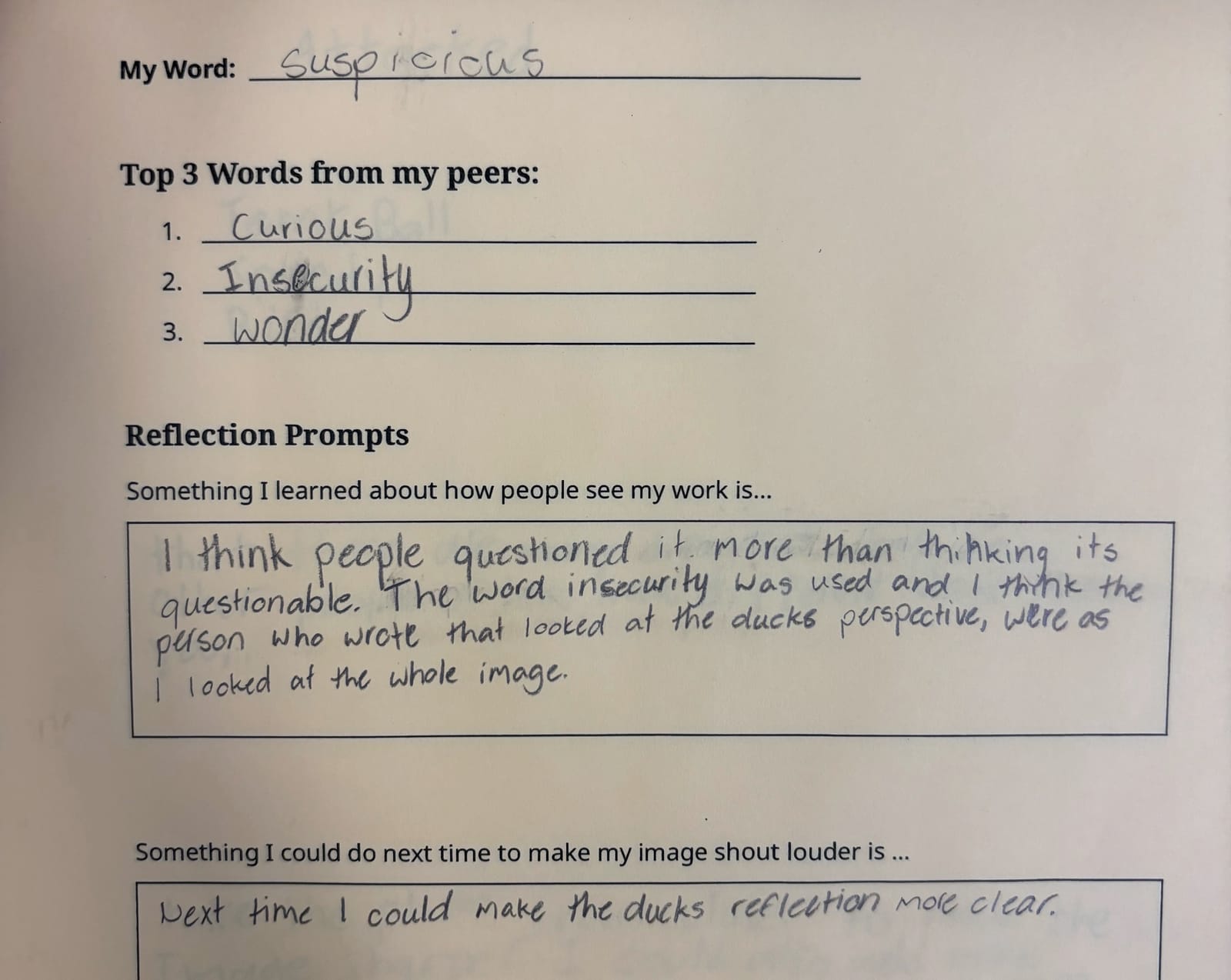
A version of the brainstorm and the connected reflection.
Carousel Brainstorming is an easy way to help students build ideas together and deepen their thinking through what their classmates notice. We used a version of it in our Grade 7 photography class with student artwork, but the structure works with any topic.
Set up large sheets of paper around the room, each labeled with a question or concept you want students to explore. As groups rotate from station to station, they add notes, respond to what’s already there, and bring in prior learning. Giving each group a different colour helps make the flow of ideas visible—how one group’s thinking sparks something for the next.
You can wrap up by gathering the class around each sheet for a quick discussion, or you can have students take the raw notes and turn them into something more organized—a graphic organizer, a summary, or even a short written reflection. The strength of this strategy is how it breaks brainstorming into manageable pieces while letting students build on each other’s insights. It turns idea generation into a shared process where everyone benefits from connections they might not have made on their own.
Making Deeper Connections 🔗
Hexagonal Thinking
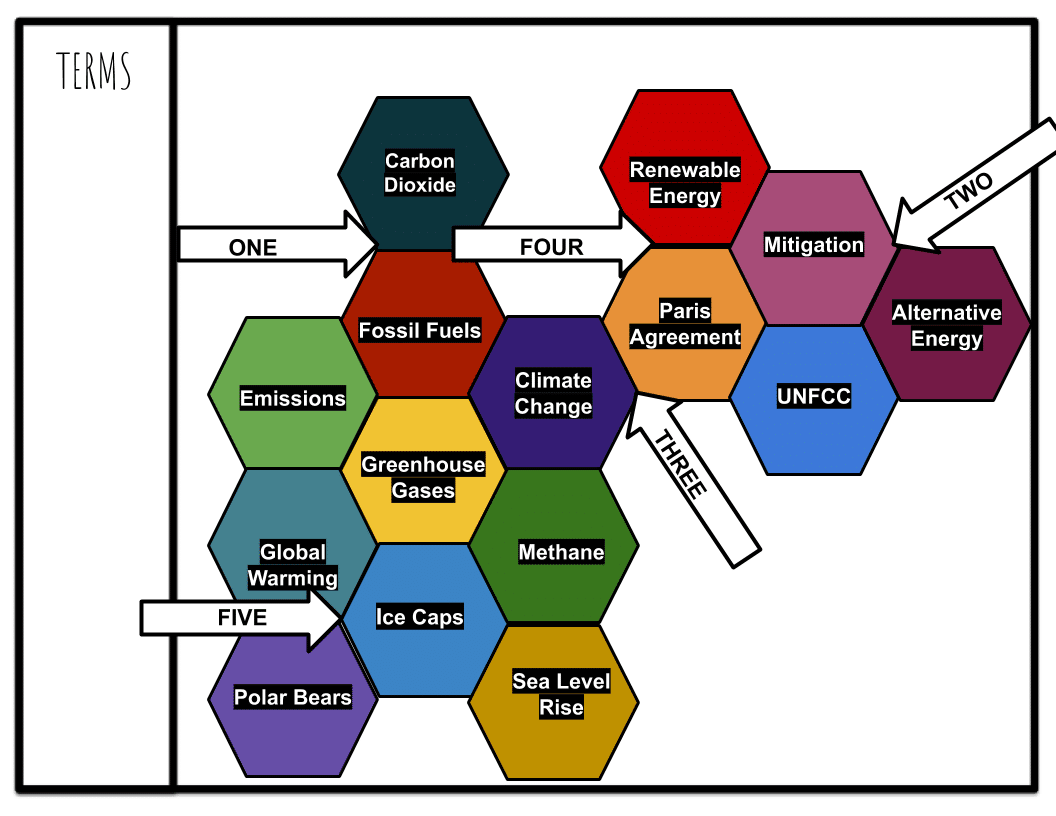
Hexagonal Thinking gives students a way to move past quick answers by letting them build connections between ideas in a visible, hands-on way.
Instead of responding to isolated prompts, significant terms are written on hexagons and moved around on their desk. Students test how concepts relate and connect until they find something worth exploring deeper. The entry point is easy—students start with the obvious links and, as they talk and rearrange pieces, deeper or unexpected connections start to show up.
For teachers, it means shifting from directing each step to gently nudging the thinking forward. You can ask questions about their connections as they move the hexes around to help guide without correcting.
And because the work is shared and visible, the learning becomes collaborative: students challenge each other, revise their choices, and build real understanding together. A simple routine that supports rich conversation and makes student thinking easier to see.
Jigsaw Classroom 🧩
The Jigsaw Method is a collaborative structure that lets students become experts on one part of a larger topic, then teach their piece to others. It breaks big content into manageable chunks and gives every student a clear role.
In expert groups, students read, watch, or analyze the same material together and make sure they all understand it. Then they split up and join new groups where each person brings a different piece of the puzzle. The learning depends on everyone showing up prepared, which naturally builds accountability and engagement.
What makes Jigsaw powerful is how it shifts the centre of the lesson onto students’ conversations and explanations. Instead of hearing everything from the front of the room, students learn through each other—asking clarifying questions, comparing interpretations, and stitching together a more complete understanding of the topic. It’s a simple structure that encourages active listening, interdependence, and deeper comprehension, especially when the content is complex or layered.
Analysing Media
See Feel Think Wonder 👀
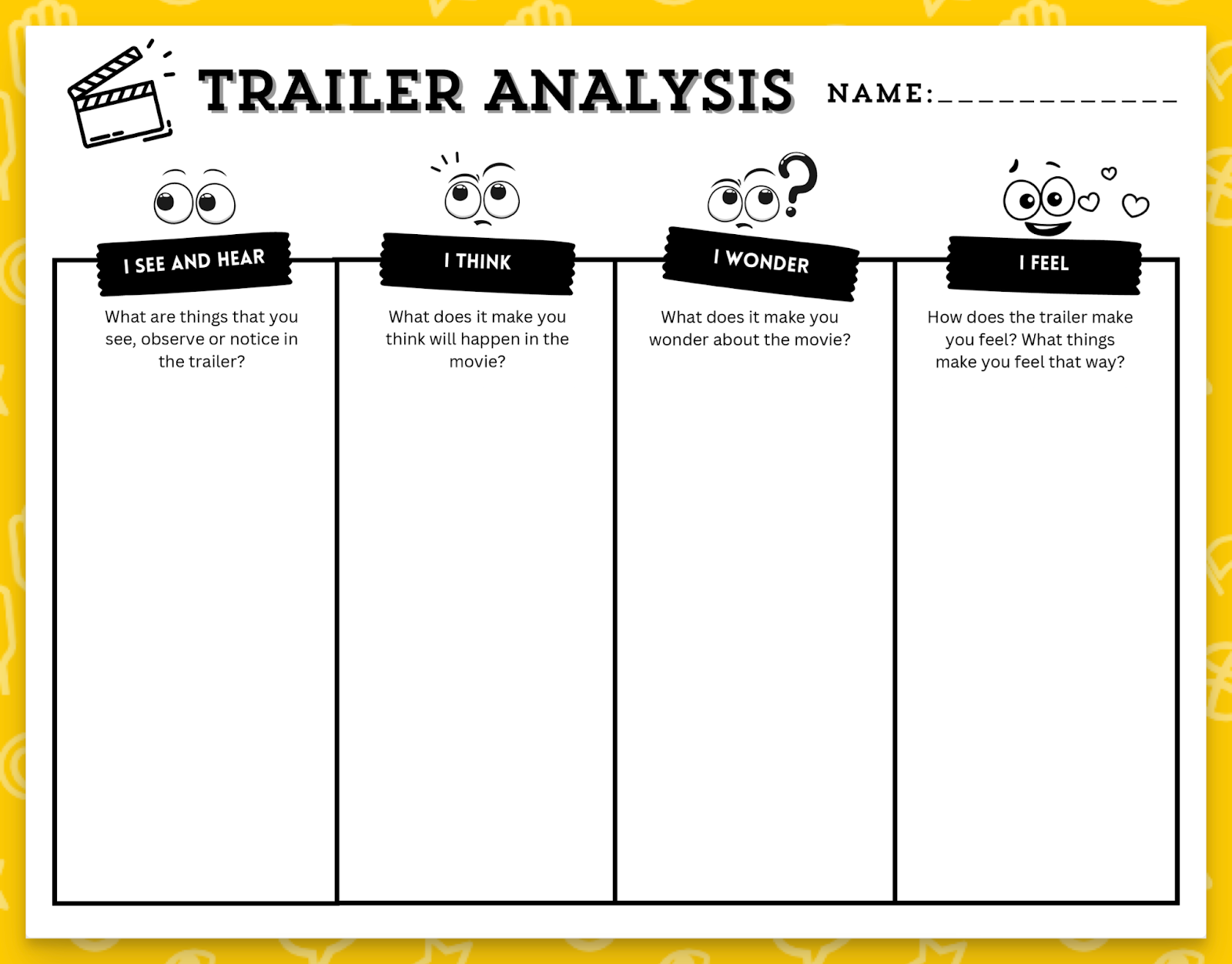
See–Feel–Think–Wonder is a routine that slows students down and helps them look closely before jumping to conclusions. Instead of asking for instant analysis, it walks them through four simple steps:
- Noticing what they see
- Naming the feelings that come up
- Starting to make sense of what’s going on
- Ending with genuine questions that deserve exploring.
It works well with images, artifacts, videos—anything where you want students to observe with care.
The strength of the routine is in its pacing. By separating noticing, feeling, interpreting, and wondering, students build a fuller understanding and avoid rushing past details that matter. It opens space for thoughtful discussion and makes students’ thinking visible, giving you clearer insight into how they’re processing what they encounter.
Activating Long Term Memory
Brain-Book-Buddy 💬
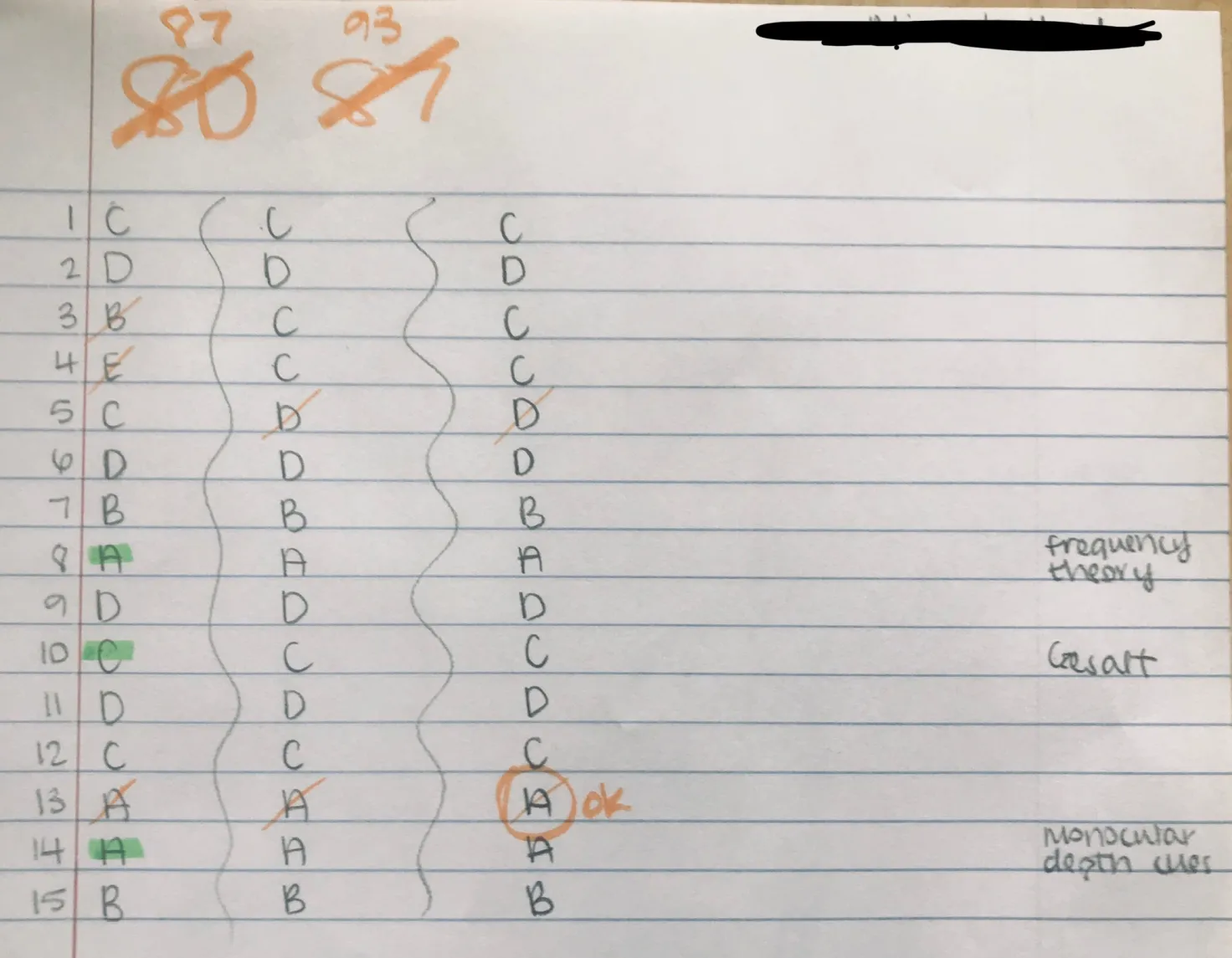
Brain–Book–Buddy is a quick assessment routine that helps students check their understanding in three passes. First, they rely only on their own memory (Brain) to answer a question or solve a problem. Then they revisit the same prompt with notes or a text in hand (Book) to confirm, correct, or extend their thinking. Finally, they compare answers with a partner (Buddy) to discuss differences and clarify ideas.
The routine works because it layers recall, verification, and conversation. Students get a clearer sense of what they actually know, where they need support, and how their thinking evolves with new information. It’s simple to run, easy to fit into any subject area, and gives you quick, meaningful evidence of learning. It also breathes new life into your existing tests!
Holiday Writing Challenge?! 🤶
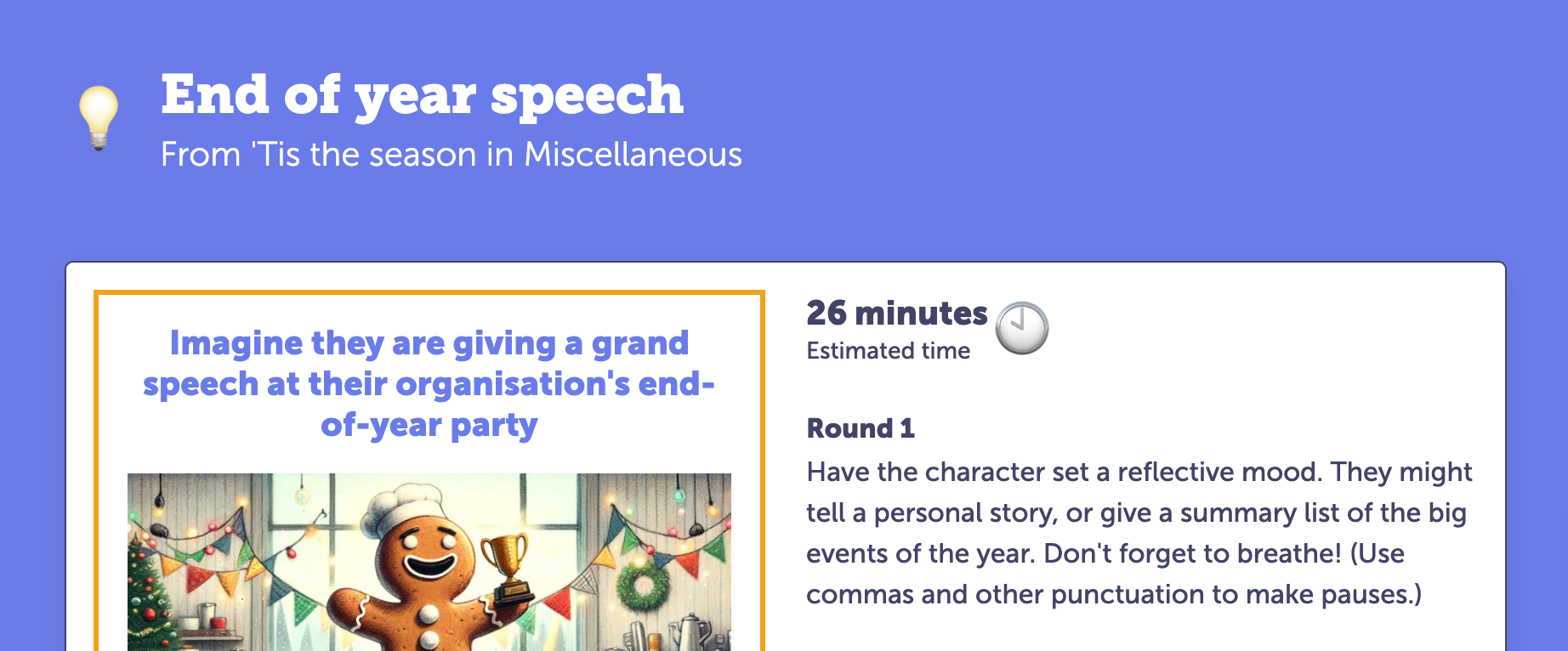
Is your class getting interrupted by holiday performances? Need something to do while half your class is at a volleyball game? Try Frankenstories! Gamified and collaborative story writing, moderated by you and voted on by your students. You might even use it with your whole class. It's awesome, trust us!