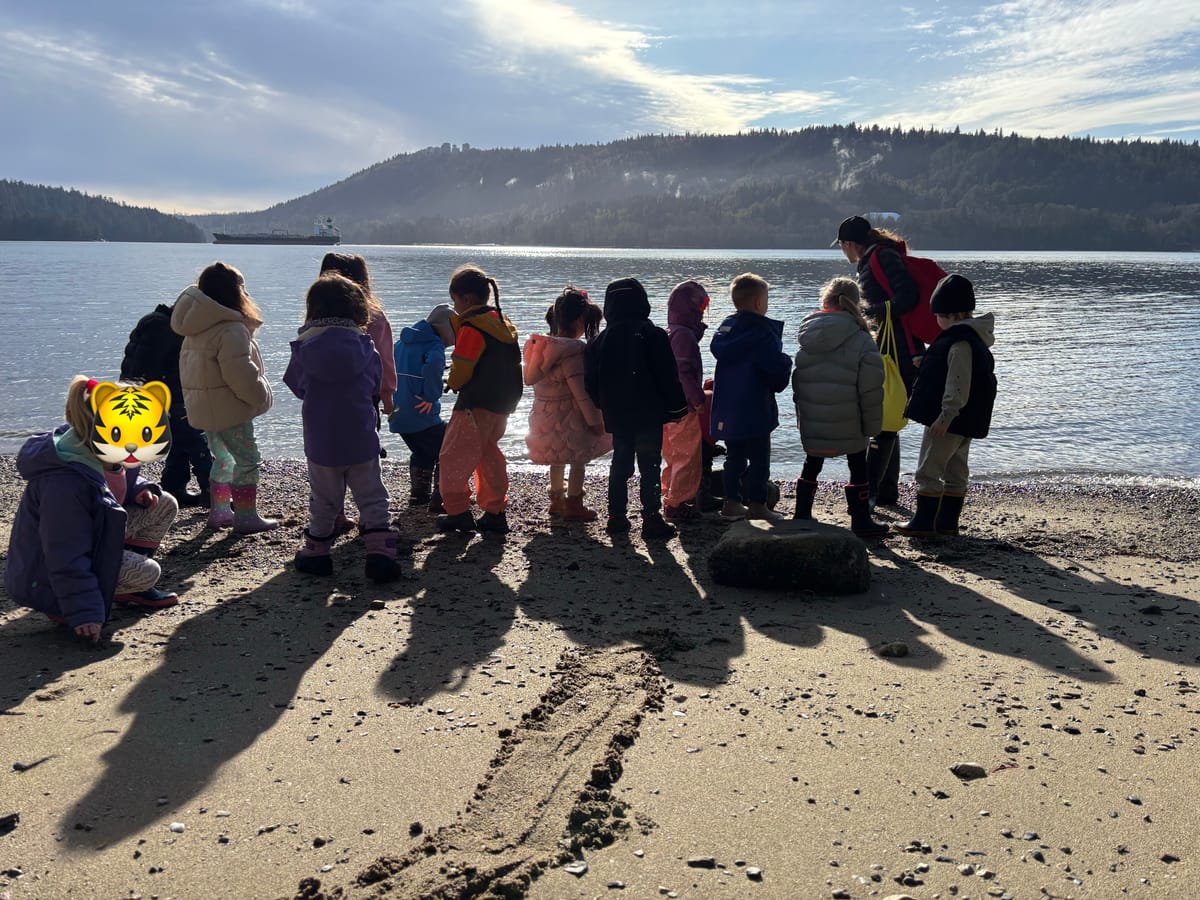
Renee and I had been planning this one for about two months. The trip was the anchor for her Grade 1 Local Communities unit, and we wanted it to do more than fill up a sunny day in May.
The shape of the day: start at Britannia Shipyards for a facilitated session with the interpretive team, break for lunch, then head into Steveston Village for a photo scavenger hunt where students could discover the post office, the library, the playgrounds, the shops, all the pieces that actually make up a community.
One detail shaped a lot of our planning: the Steveston Community Centre is in mid-rebuild right now and old one has already been demolished. So, we decided to lean into the changes happening in Steveston. Old versus new became a theme we could come back to all day: the history of Steveston sitting right next to the future.
History you can touch
We started at Britannia Shipyards with a two-hour program led by museum interpreters. Students moved through the historic buildings — the manager's house, the European men's bunkhouse, the Chinese bunkhouse, and the Murakami House, where a Japanese shipbuilder and his family had lived. The museum staff were fantastic, making the shipyard’s history and the stories of those who inhabited the bunkhouses feel tangible and real for our students.
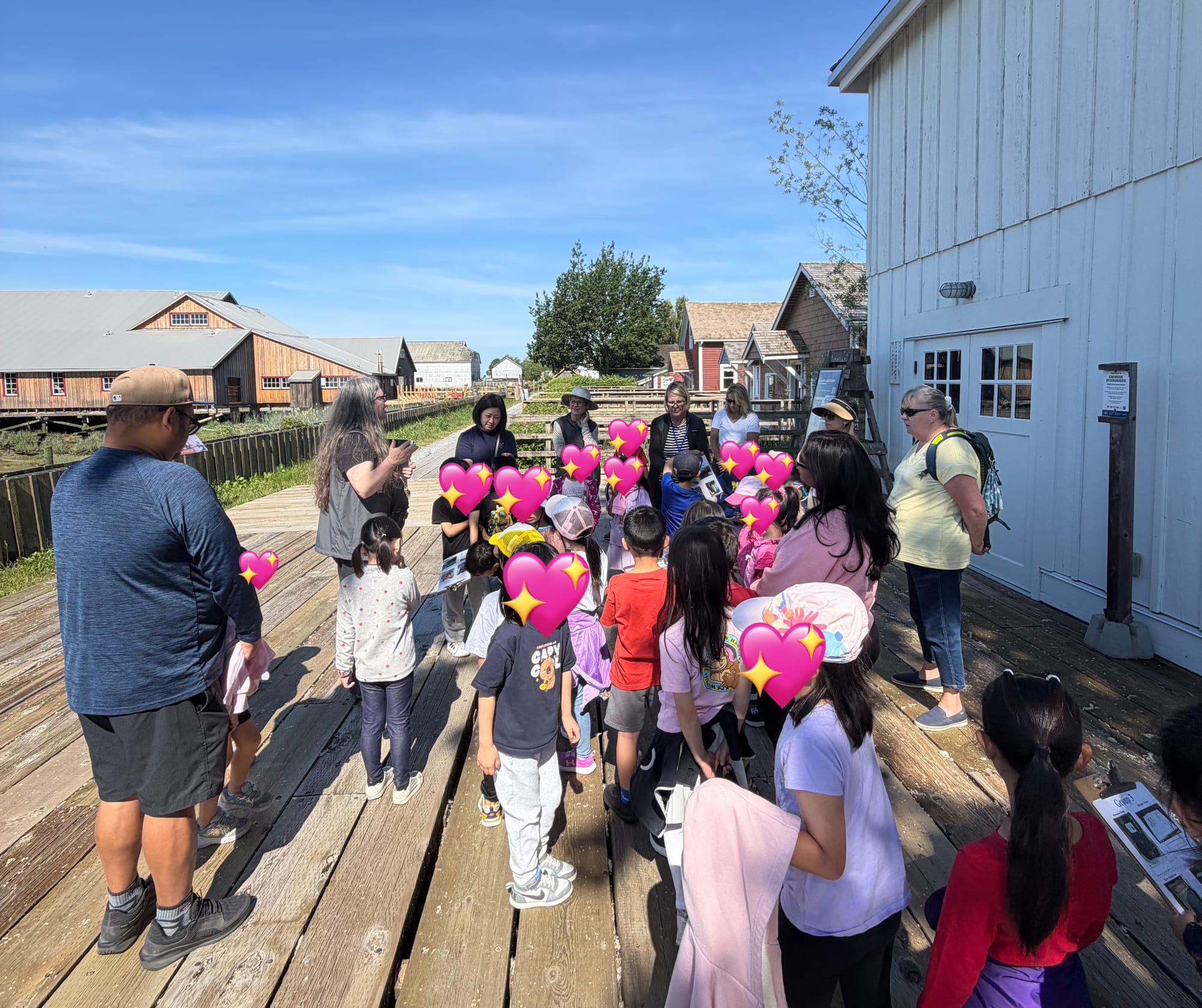
The morning ended with a hands-on activity I liked a lot. Students were given a budget close to what a Chinese worker might have had, and asked to buy supplies for their meals. A seamless way to incorporate a bit of Math into their Socials curriculum. The whole Britannia portion was well organized from start to finish.
 Carlo
Carlo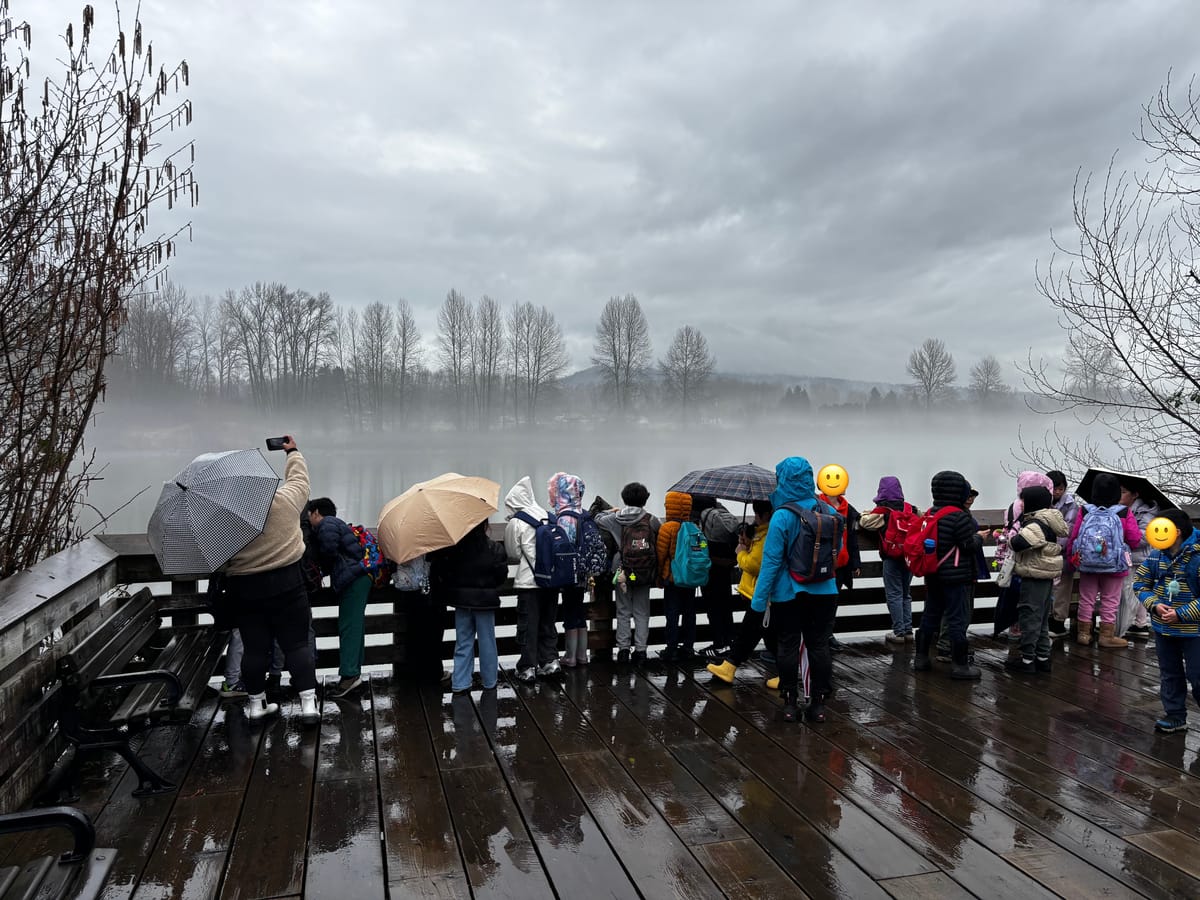
Earlier this year I explored another part of the Fraser River with a Grade 4 class.
A reason to observe 👀
After Britannia, parent volunteers drove students into Steveston Village. We had lunch outside the Gulf of Georgia Cannery, then spent the last 90 minutes on a photo walk and community scavenger hunt.
This is the part that connected straight to the students' local communities unit. In small groups with parent volunteers, students went looking for places that met different community needs:
- Where can we buy or borrow a book?
- Where can we send a letter?
- Where can we buy a toy?
- Where can we buy bread?
- Where do we play?
- What's something historic?
The questions were intentionally open-ended so students could make their own connections and interpretations about how a community works. There's no single right answer to, "where do we play?" So students had to make their own call about what counts and why.
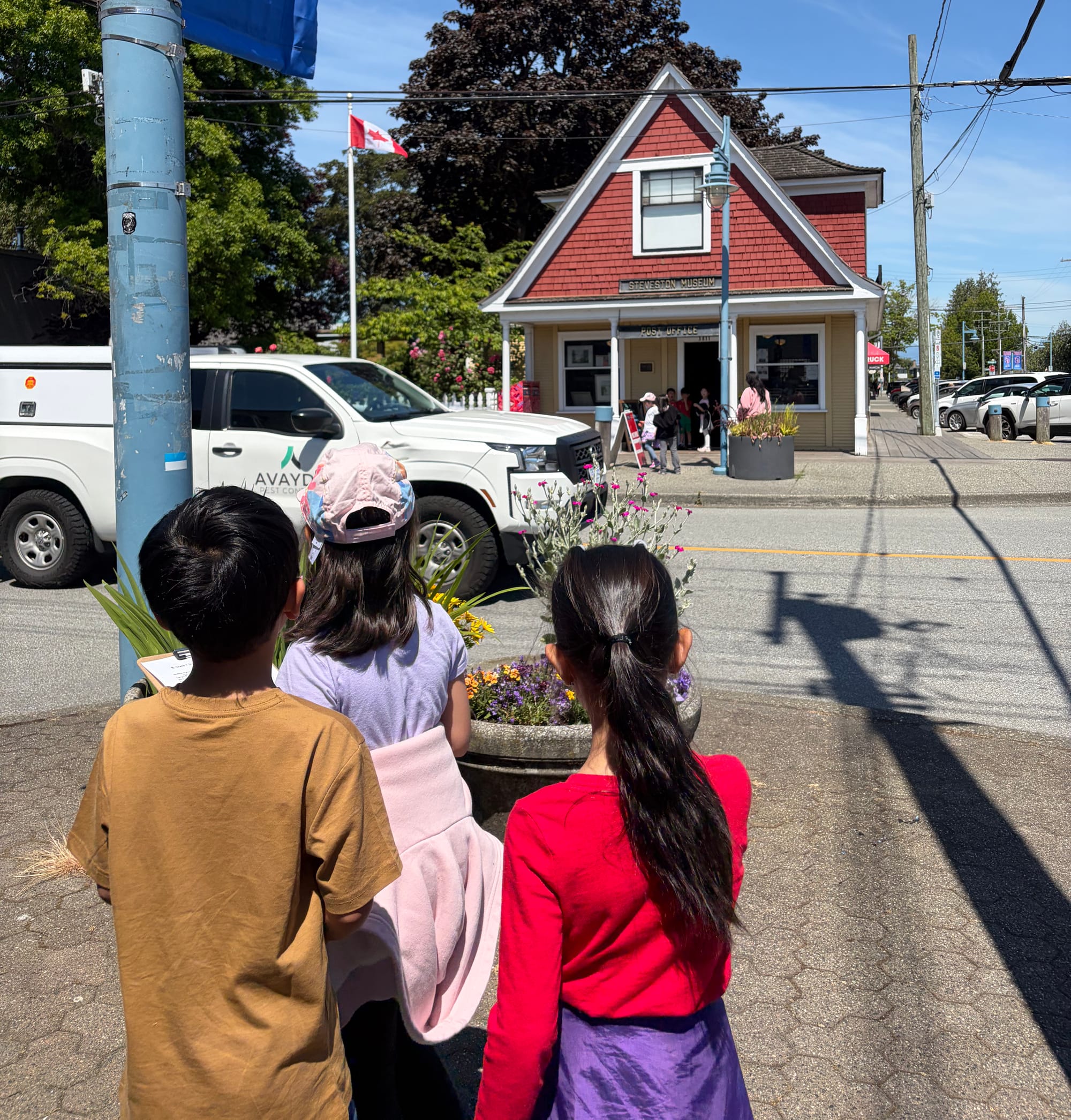
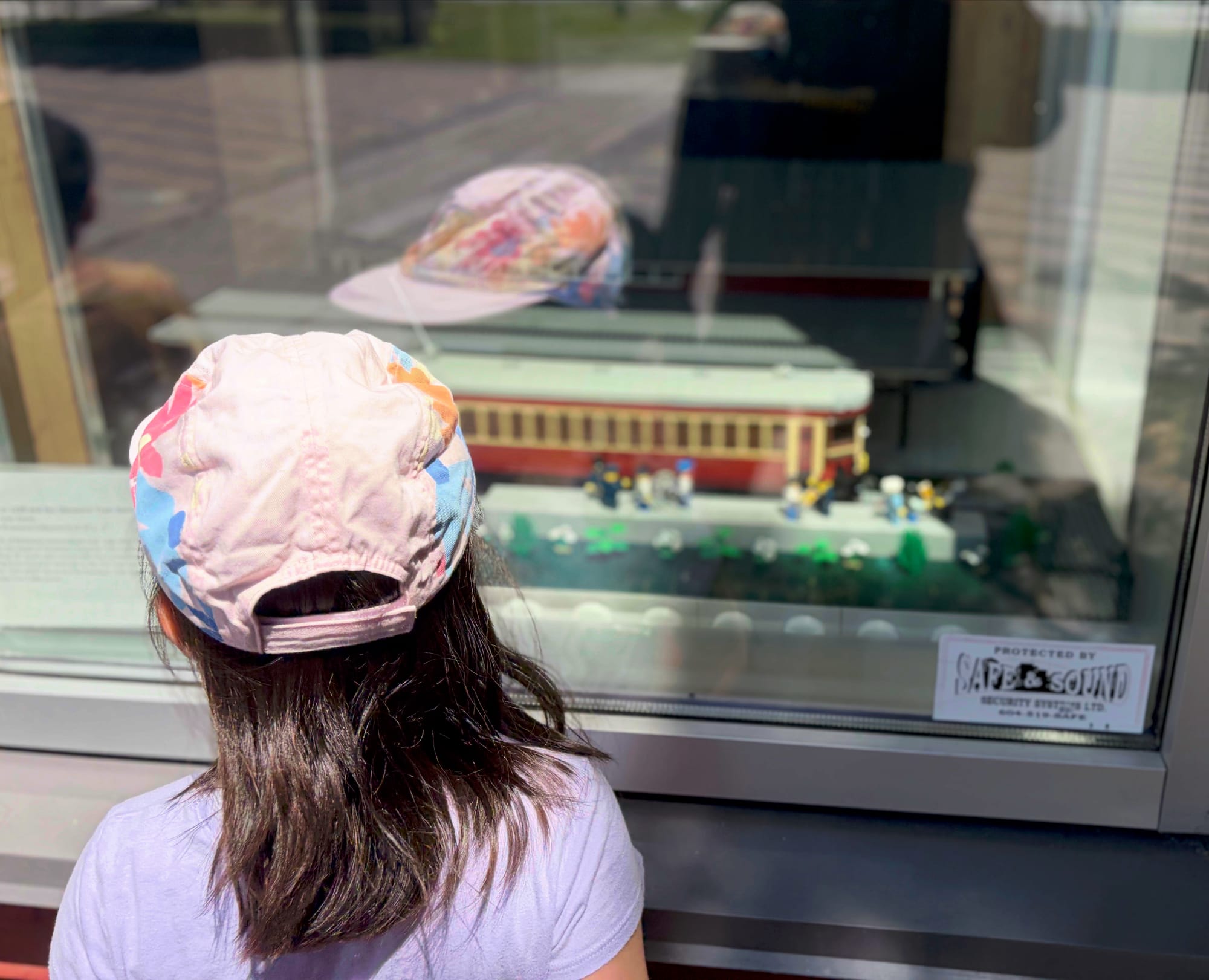
Parent volunteers took photos of students in front of the places they found. But the best moments came when students used the iPads themselves to document whatever caught their eye. The volunteers seemed to appreciate having the iPads there to anchor the activity rather than just herding kids around. It was a beautiful sunny day, and the students I was with were really engaged. I could sense that the independence of walking around town, directing their own hunt was exciting for them.
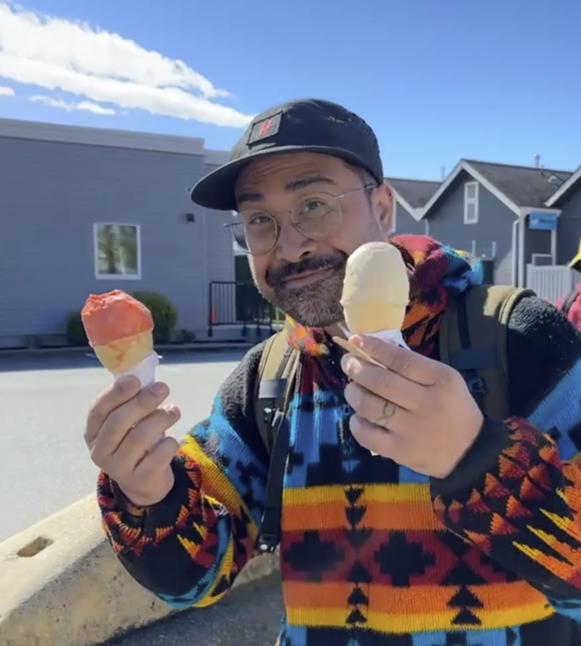
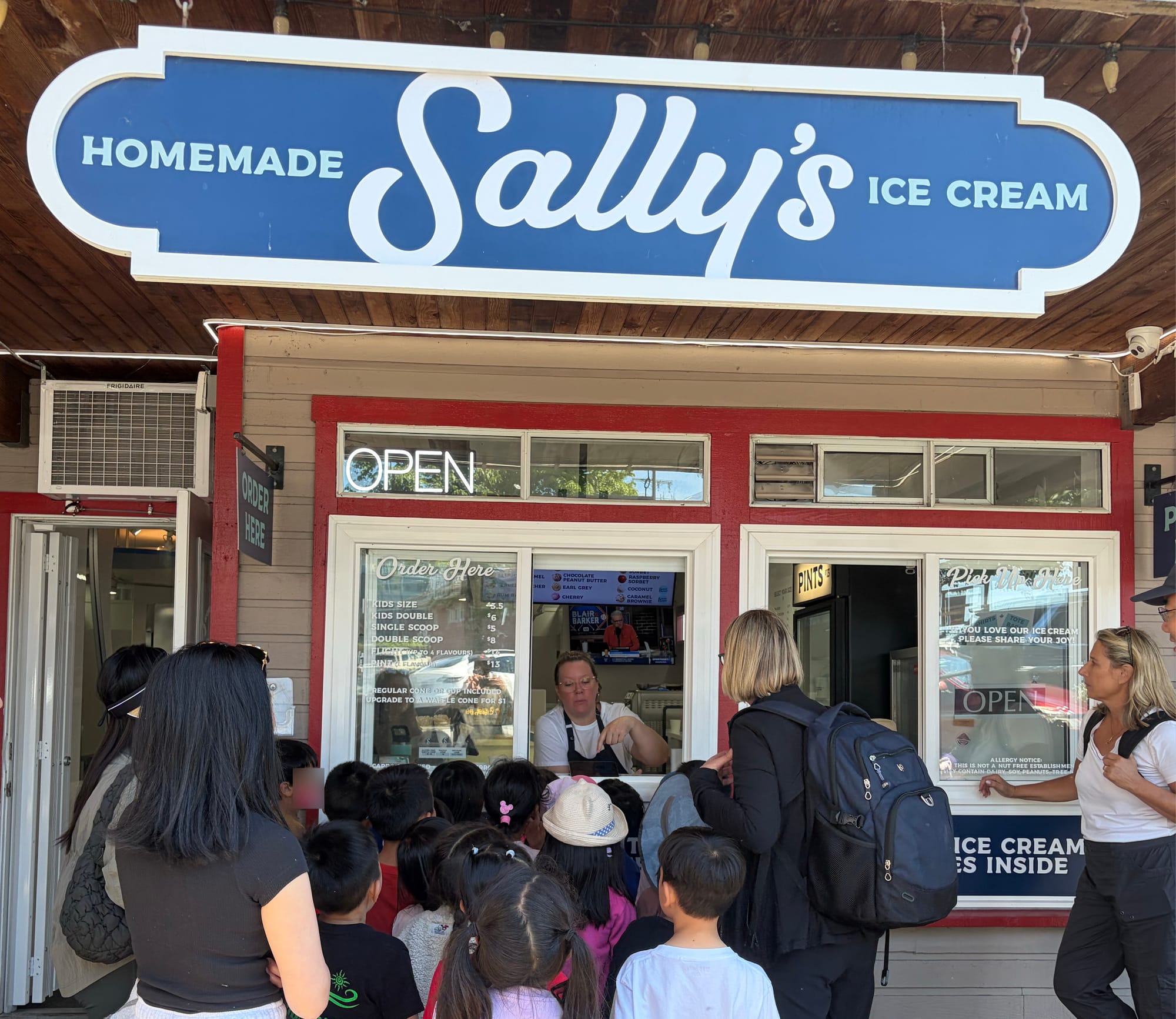
And of course, we finished where every good field trip should finish: all the groups met up at Sally's Ice Cream.
Do you want to design a classroom project with our team?
Tell us what you're working on and what you want to improve and we'll get in touch!
Two good trips, one very full day ⏳
I’ll be honest, after the trip, Renee and I talked it over, and we both landed in the same place: Britannia and the Steveston walk in a single day was probably too much for Grade 1.
It's not that either one fell flat. It's that they were doing two different jobs. Britannia was history brought to life. Steveston was students reading their own community. Each one could be a field trip on its own, and next year they probably should. Asking a Grade 1 class to do both in one day was perhaps asking a bit too much.
What's next 🔄
Next, students revisit what their group captured and complete reflections in Seesaw. Each student will pick a photo from their group's collection and reflect on what they noticed and why that place matters.
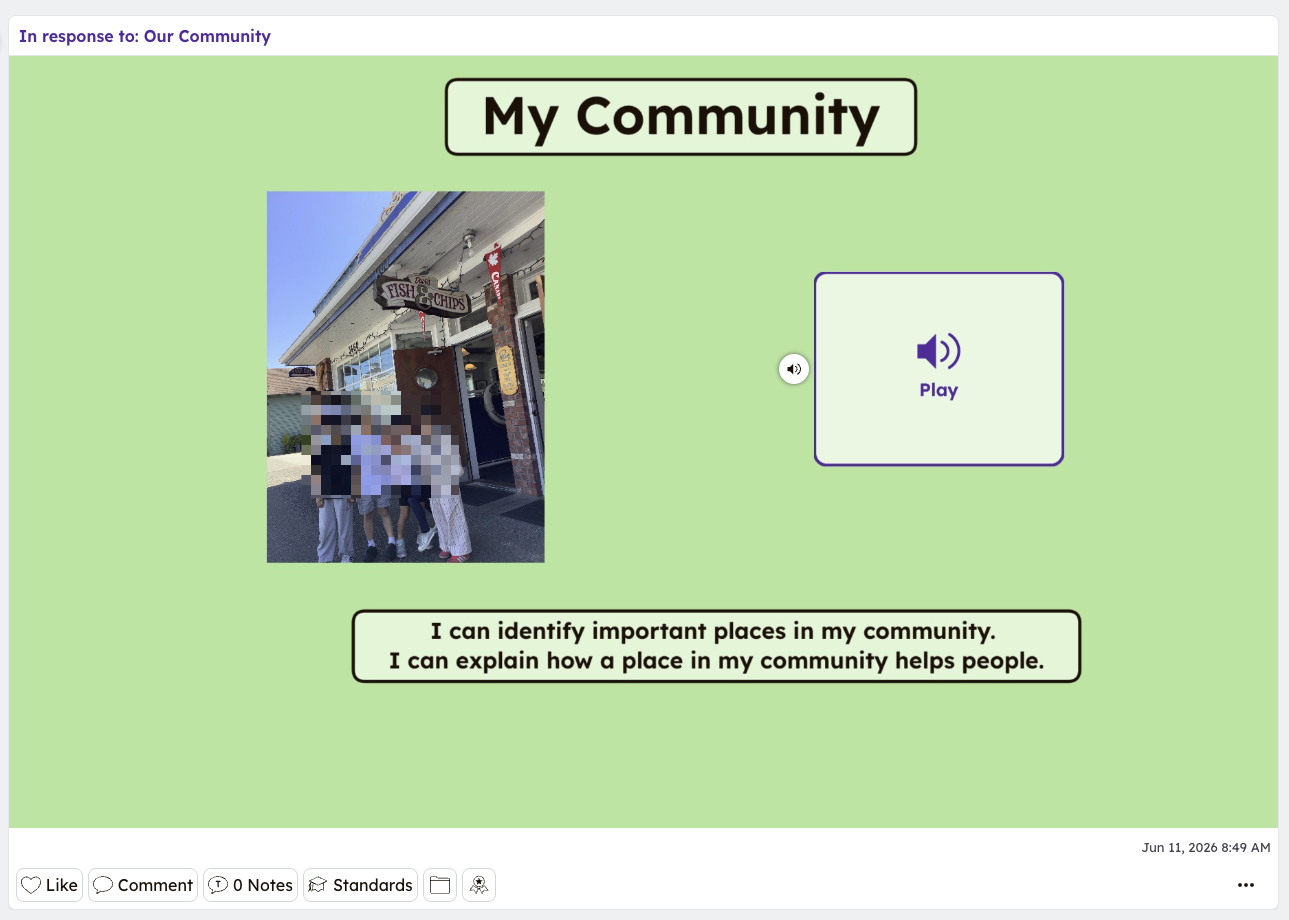
I borrowed the format from Caterina: have students build simple two- or three-part observation statements.
- "In the village, I saw the post office."
- "In my community, we have a new donut shop."
That structure does a lot of work for a six-year-old! It shows what they observed, how they related to it, and how they're starting to read the place around them.
 Carlo
Carlo