

In Vol. 98, I wrote about a brainstorm for a project on First Peoples extraction methods. Fast forward a few months — we finally got a chance to run it in a Grade 6 class. It didn't look exactly like the brainstorm. That's okay! The iterative process is in motion.
Next school year, I'm planning to try it again with another Grade 6 class. Any takers?
Do you want to iterate on a classroom project with our team? Tell us what you're working on and what you want to improve and we'll get in touch!
Here’s the pitch: Students investigate how natural materials can be separated and transformed into useful dyes. They experiment with pigment extraction from moss, grass, bark, dandelions, pinecones and buttercups — crushing, soaking and straining — testing how much colour they can create. Then they compare what they discover with their hypothesis and write explanations of what they observed.
 Dylan
Dylan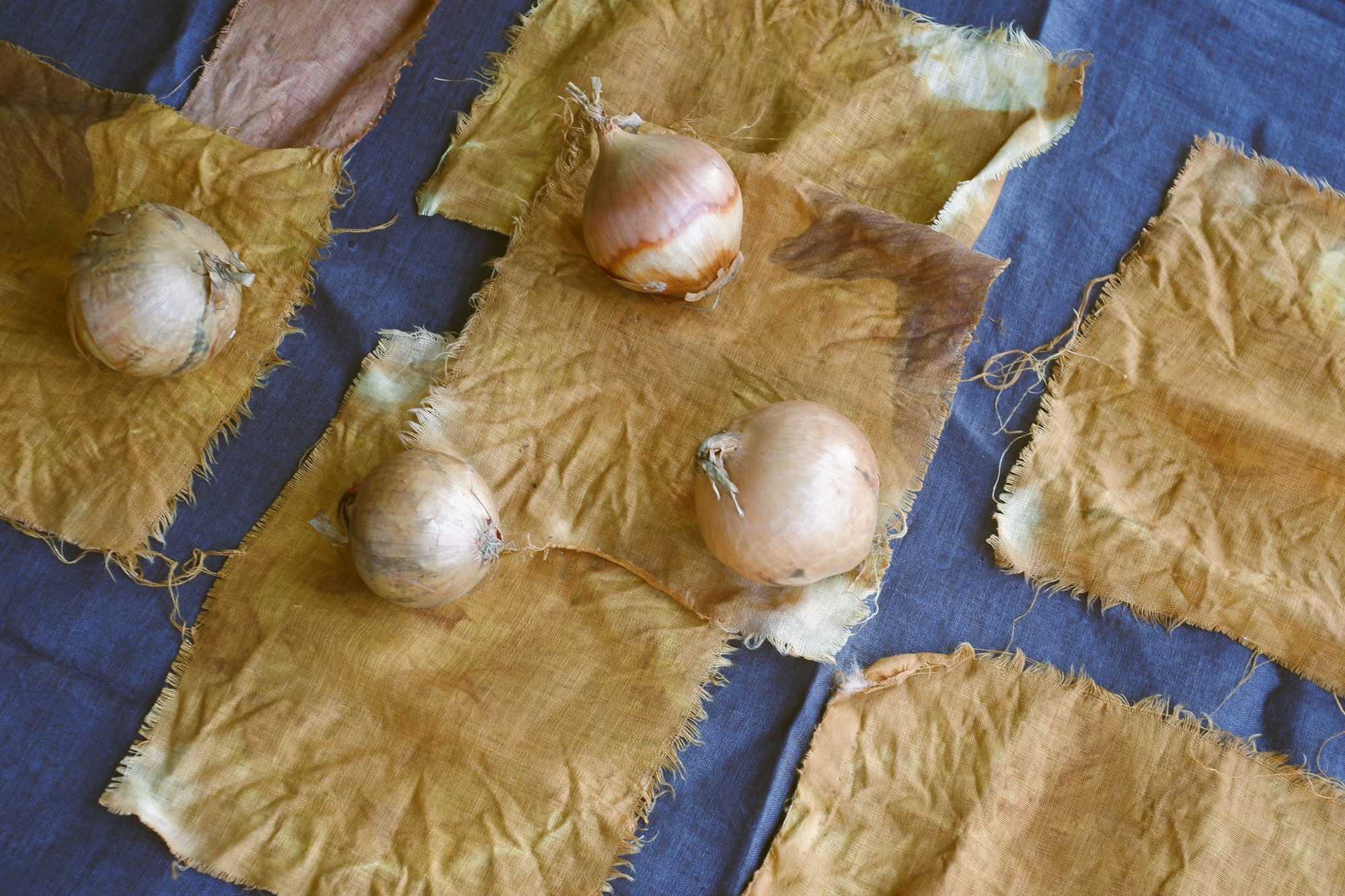
Our first iteration of this project.
Preparing for the Classroom Lab 🥼
The week before, Patricia took the class on a nature walk to collect organic materials from around their community. The rule: only collect things that have naturally fallen to the ground. Nothing living gets pulled from its plant. The exception was dandelions and buttercups, which are technically weeds.
That rule carries more weight than it might seem. Taking only what the land has already let go, runs directly through the First Peoples Principles of Learning: learning is holistic, reflexive, reflective, experiential, and relational, focused on connectedness, on reciprocal relationships, and a sense of place.
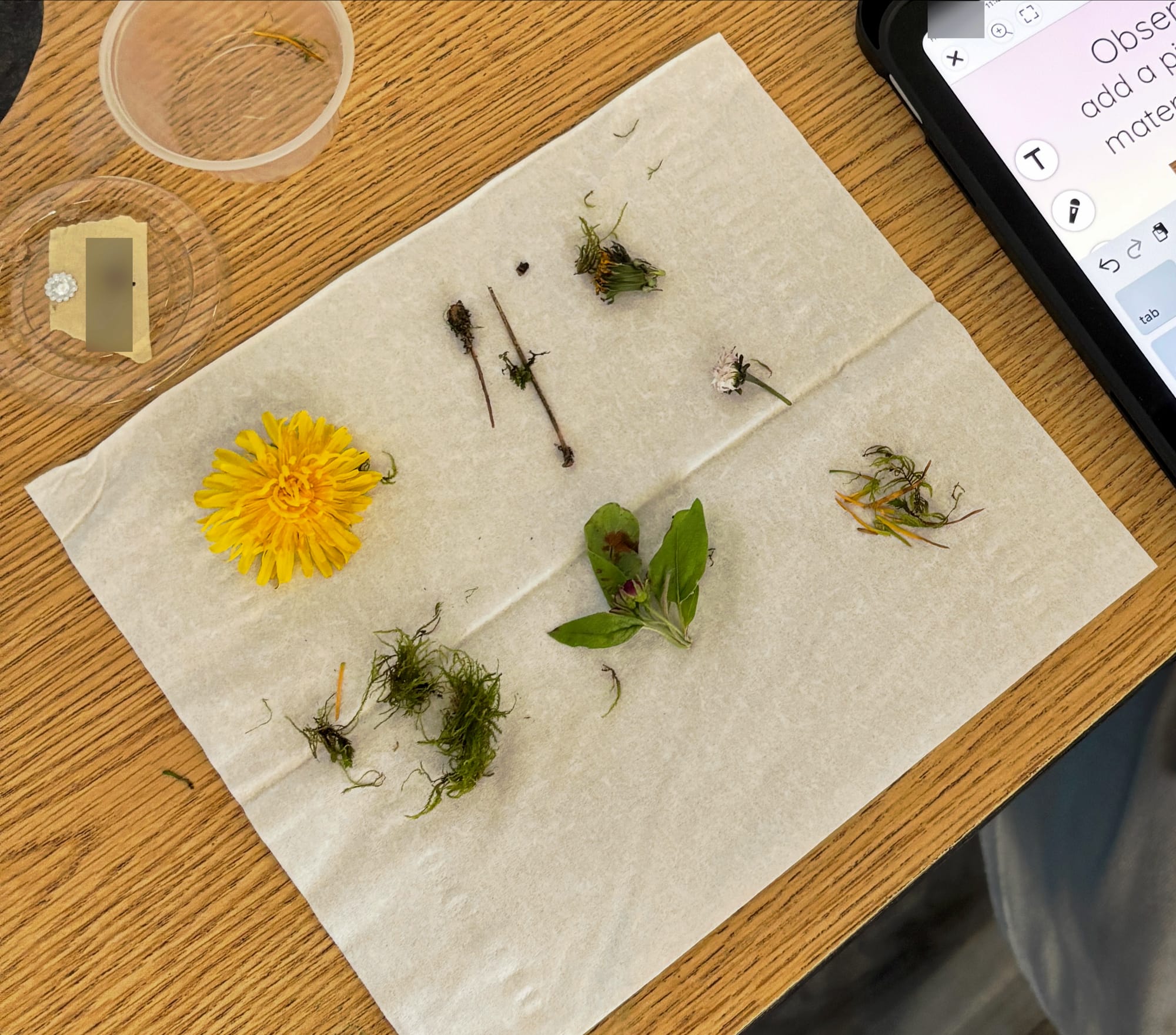
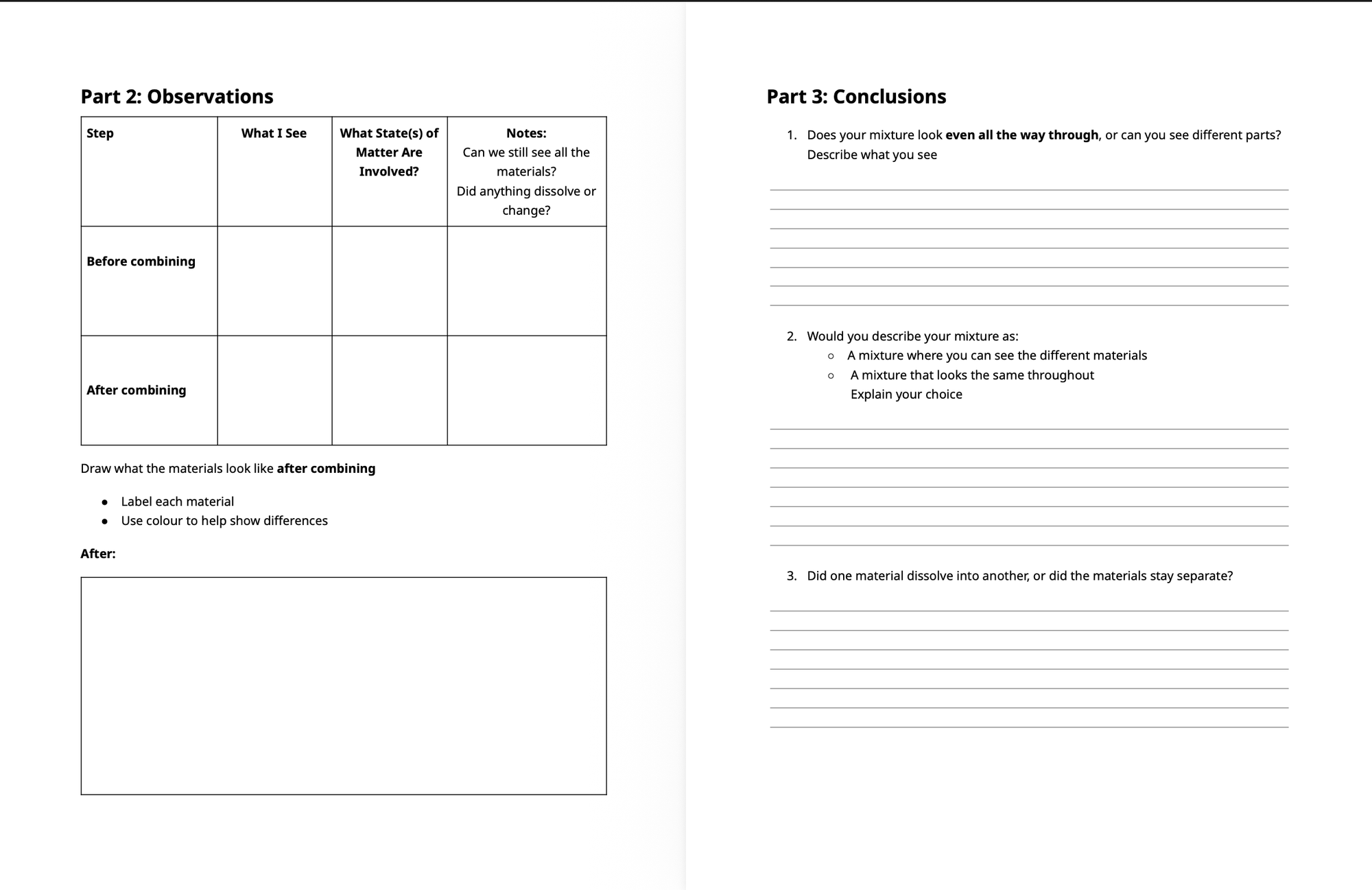
Back in the classroom, students practiced their laboratory skills with a paper version of the same lab sheet to get familiar with what goes into lab work and to document every small change, like any good scientist would. They'd often decide something was too mundane to write down. We kept reminding them: in a lab environment, any small change is worth noting.
Extraction Day 🌿
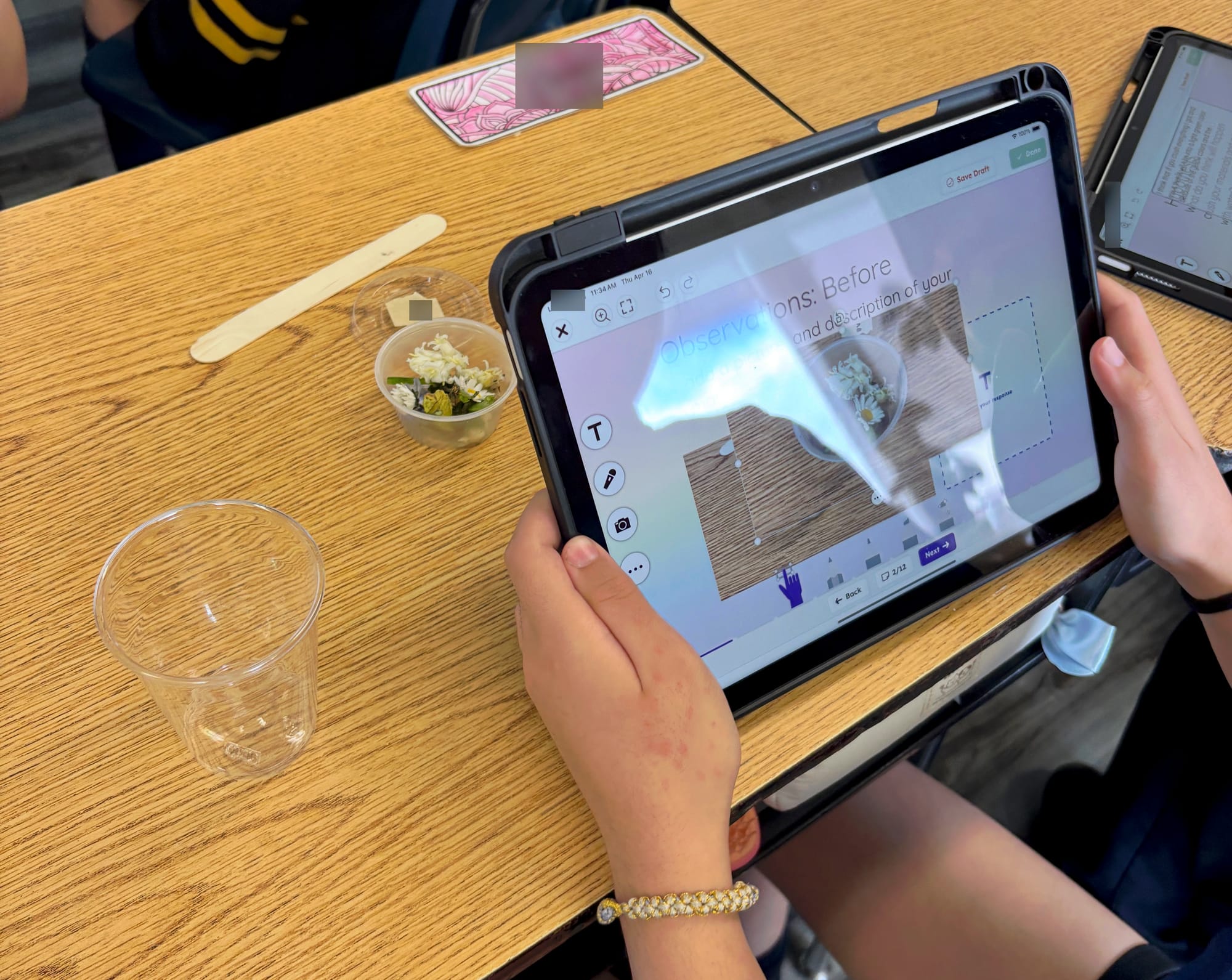
For the extraction day itself, Patricia built a Seesaw activity for students to use while collecting data — hypotheses, observations, and photos of the process throughout.
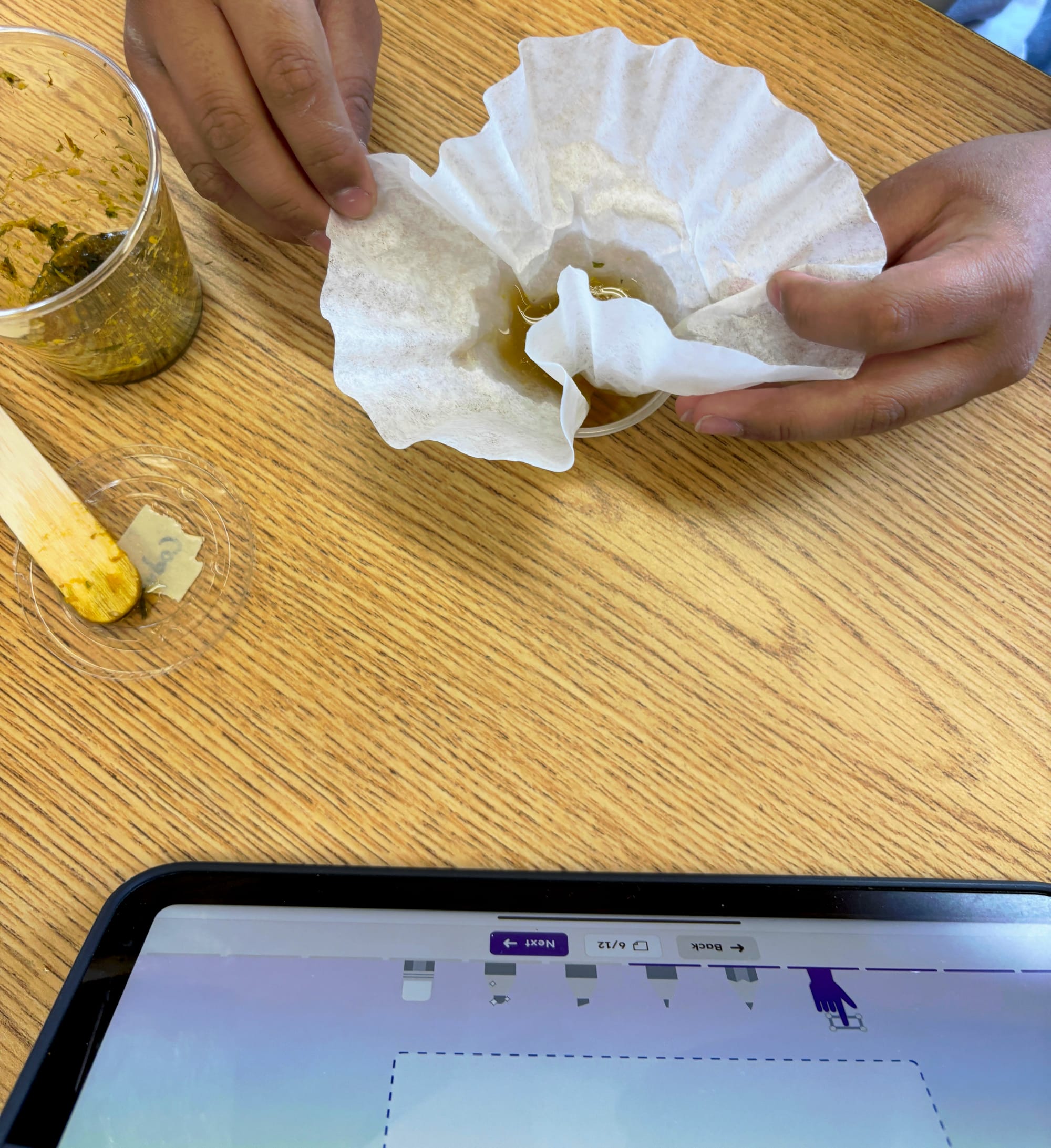
A few things are worth unpacking about that choice.
The first is what the activity was asking students to do. Students were documenting as they went which means the Seesaw activity captured thinking in motion, not just conclusions. A hypothesis written before the experiment. An observation mid-way through. A photo of whatever was happening as they mixed their dyes. The portfolio becomes a record of how a student's thinking changed, not just answers about what happened.
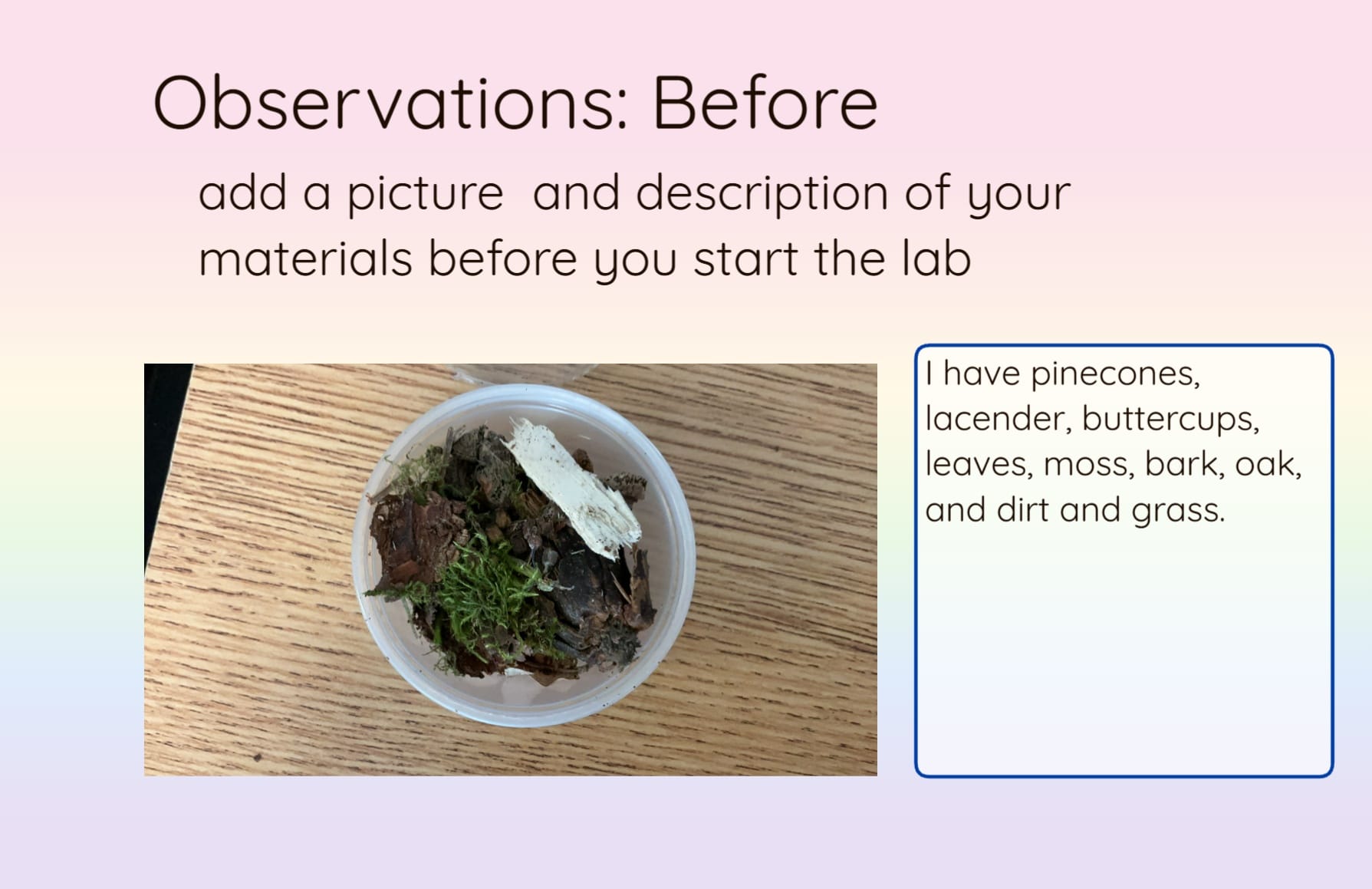
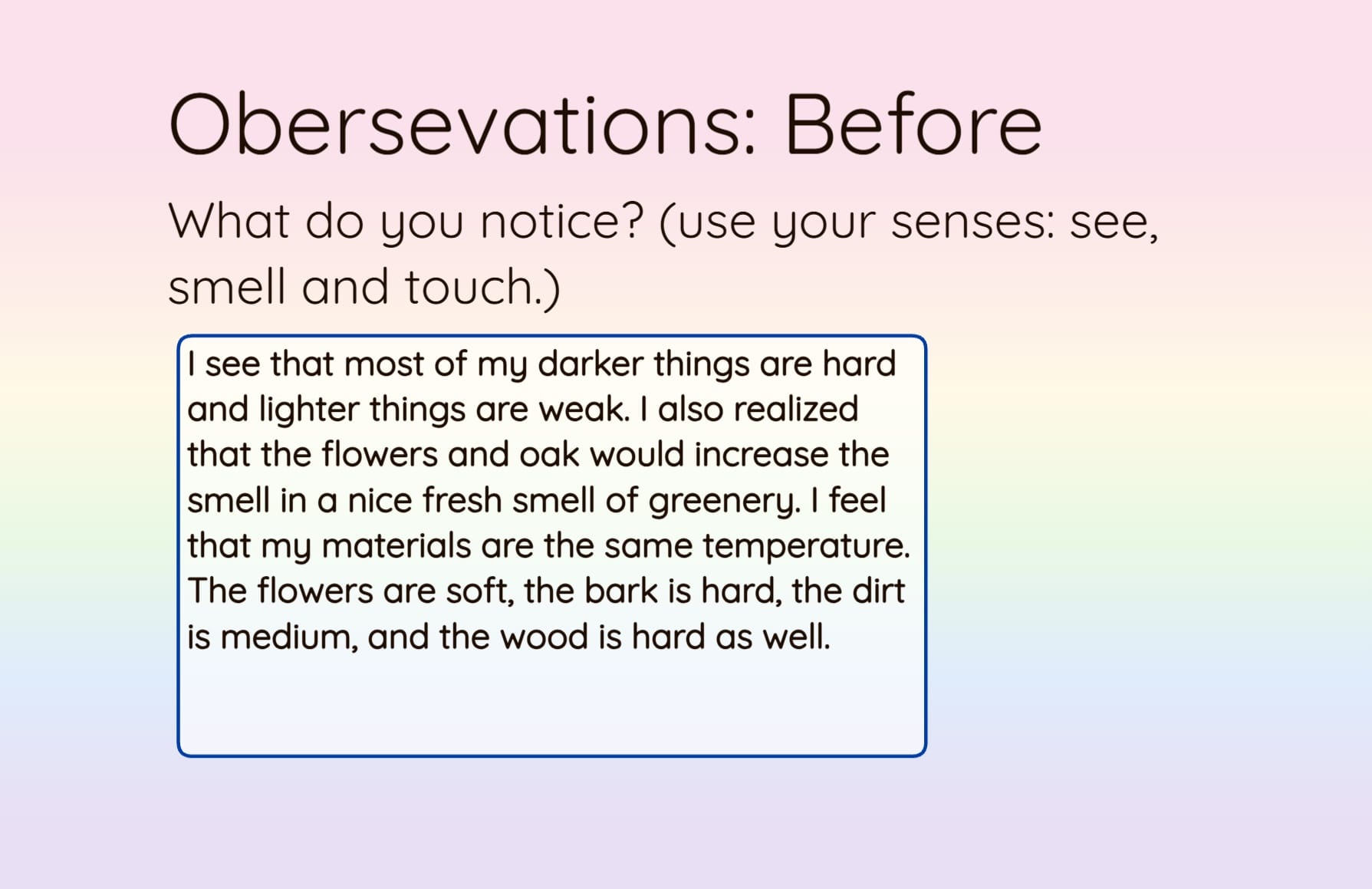
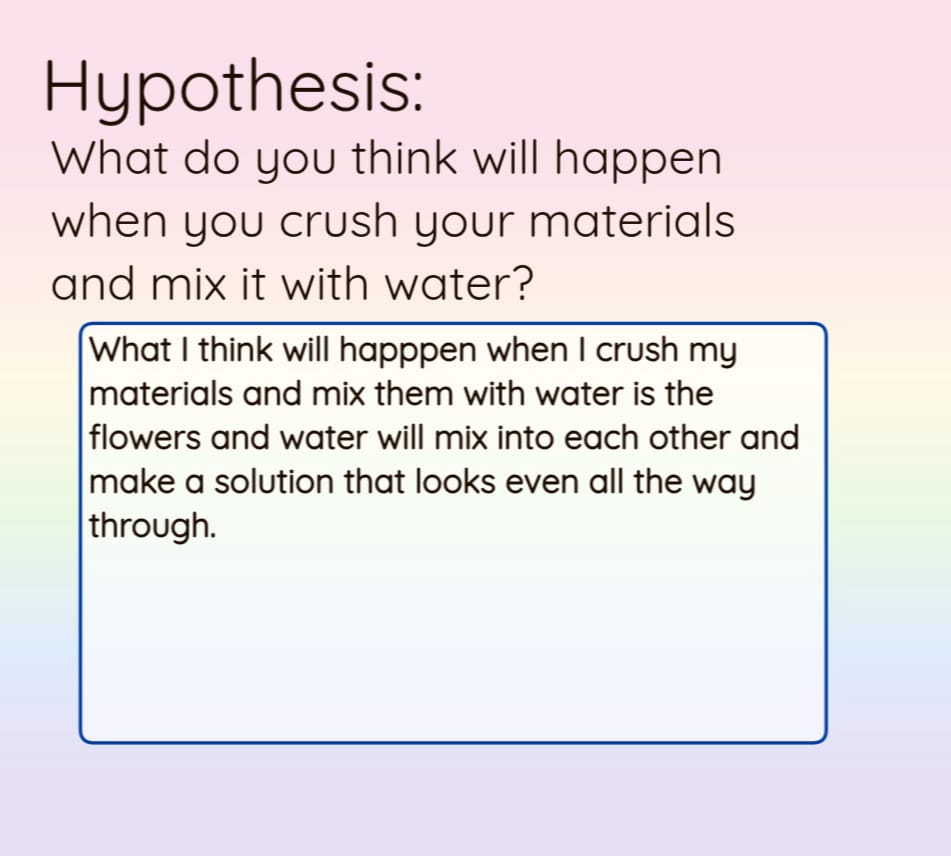
Observations and a Hypothesis.
The second is how that connects to everything else happening in this project. The First Peoples Principles of Learning describe learning as relational and experiential — rooted in place and in process. A digital portfolio built around photos of materials collected from the school grounds, documented through each stage of a science experiment, is a concrete expression of that. Through their observations, the class told a story of their relationship with a set of materials, from the ground outside to the classroom laboratory.
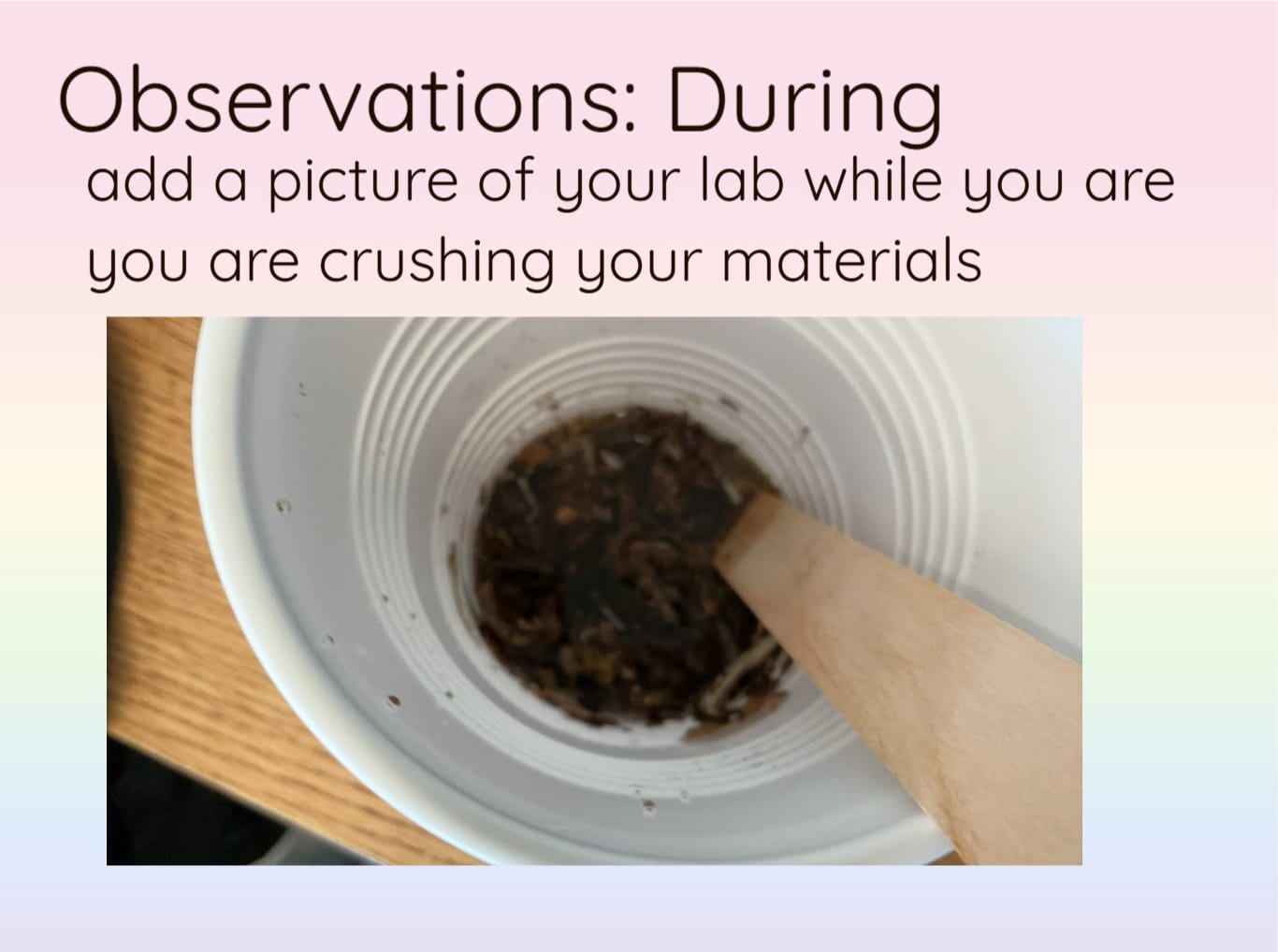
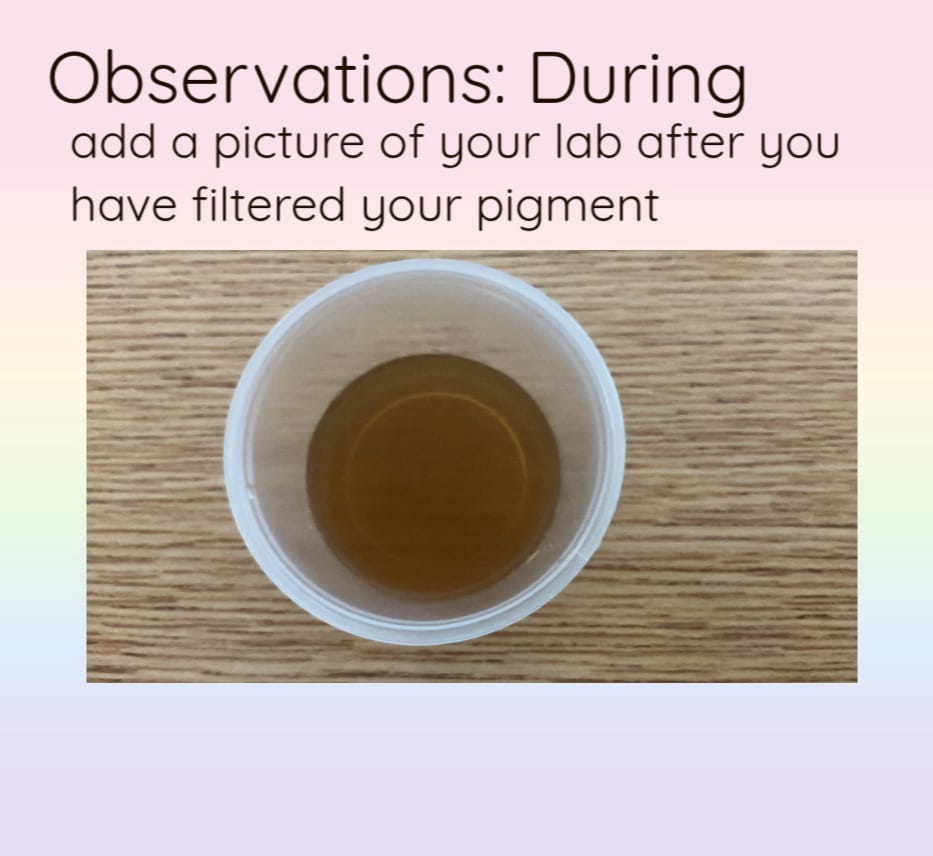
During the experiment
The third (and this one is more of a note to self) is that the Seesaw activity was a first attempt. It did the job, but the prompts could have pushed students further into the cultural comparison piece: not just what did you observe, but what has this plant been used for, and by whom, and for how long? That's the question that ties the science to the broader purpose of the project.
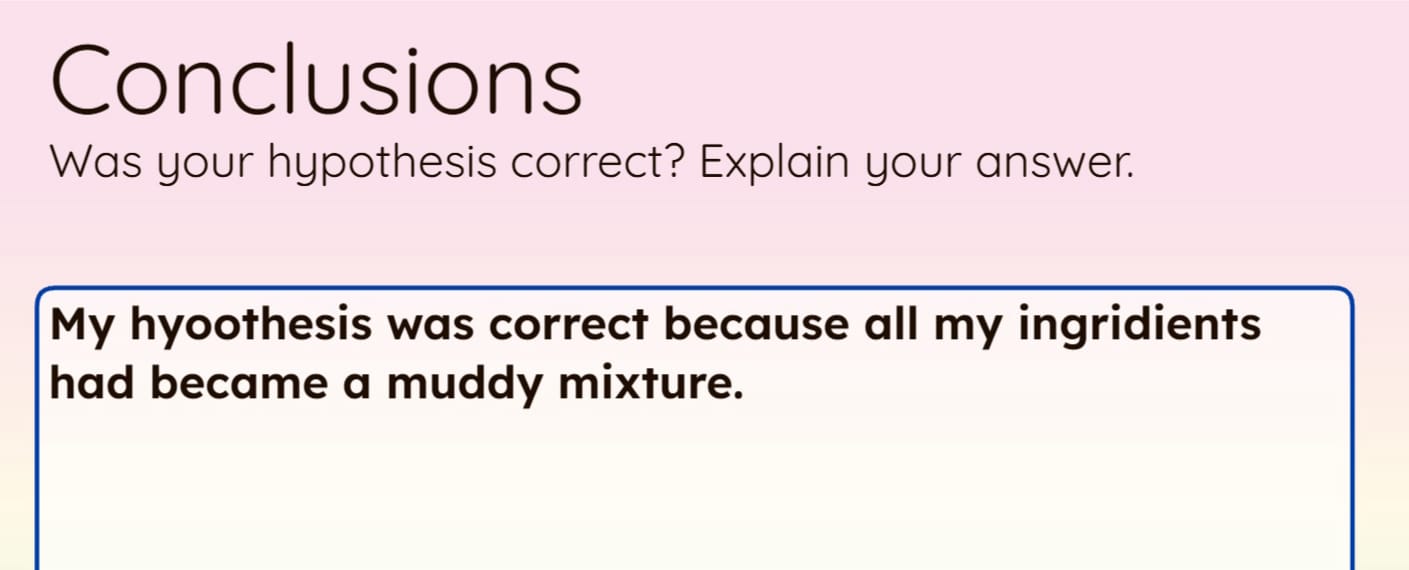
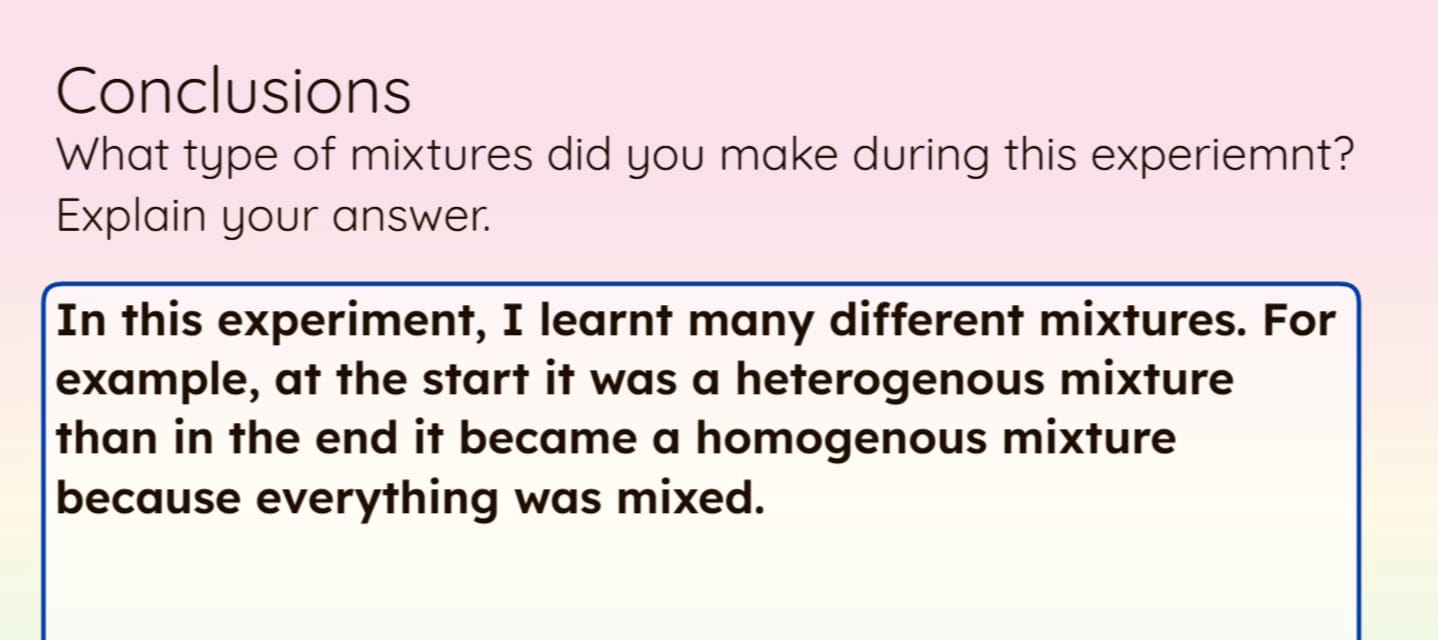
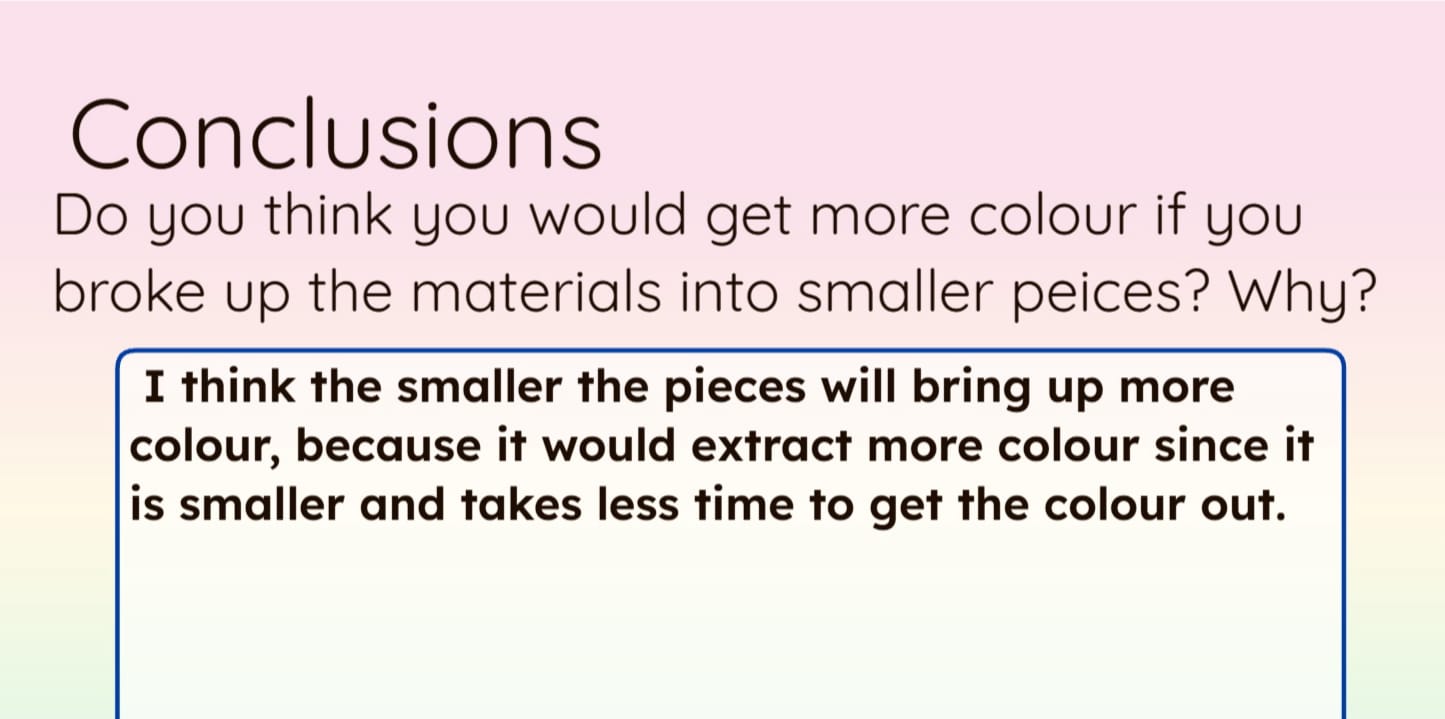
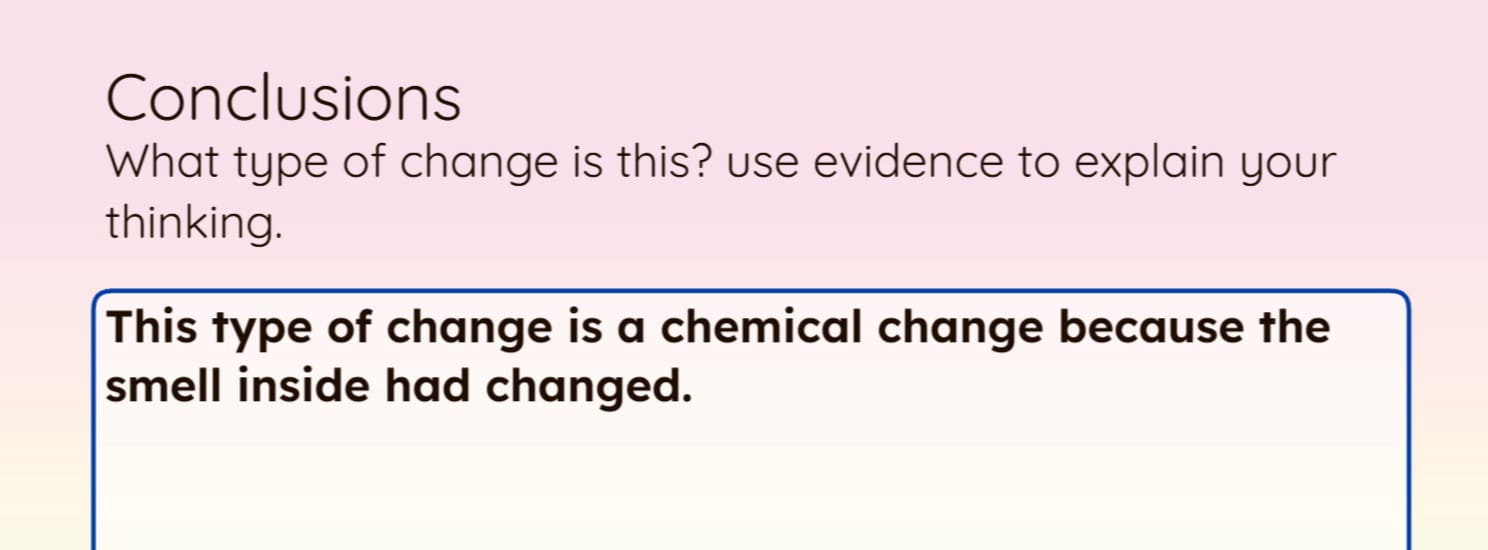
Conclusions and reflecting on their hypothesis.
In the next iteration, I'd also include a questions that supports reflection on the First Peoples Principles of Learning and sense of place.
- How do the plants growing in the local area contribute to First Peoples sense of place, as well as my own?
When Patricia or I do this again next year, we'll reflect on this years project and make definitely make adjustments. Doing something like this was outside Patricia's comfort zone, and that's really where growth always starts.